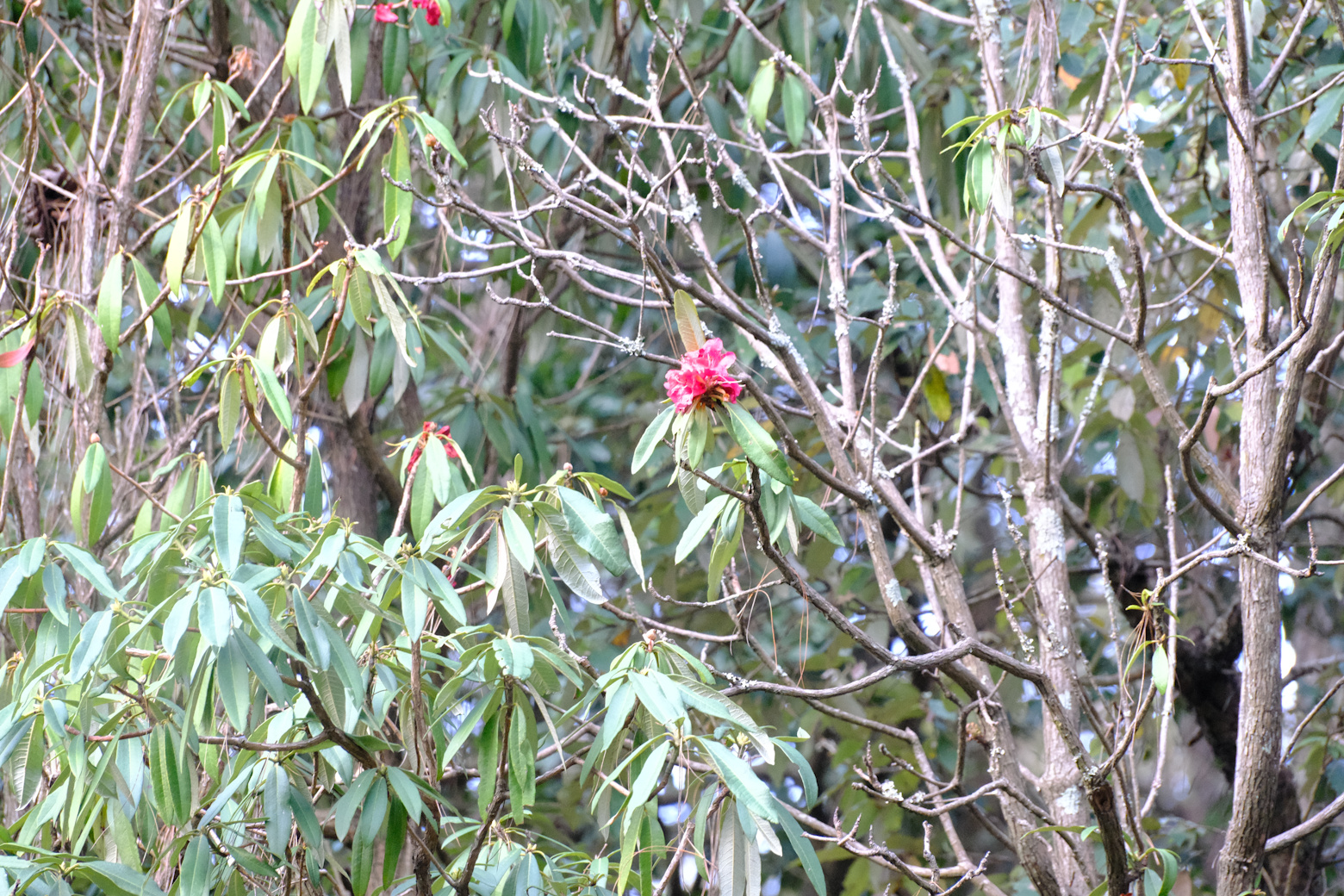
Only one is a wanderer. Two together are always going somewhere.
This time, I went alone. To Sattal, in Kumaoni Uttarakhand.
Not entirely alone, of course. There were guides, fellow travellers, shared sightings, and quiet conversations along forest paths. It was my first solo trip after marriage, and more than that, my first journey where birding was not incidental to travel, but the reason for it. Five nights in Sattal, nine sessions planned, and a guide throughout — a structure that, at least on paper, promised both discipline and discovery.
The first morning began at a bird hide, a controlled introduction where birds came to us and the act of looking felt almost effortless. Yet even then, the light hinted at what was to come. It was early, subdued, filtered through a sky that seemed undecided. Over the next few days, that indecision became a constant presence. The weather was unusually unsettled for April — intermittent rain, overcast skies, and occasional heavy showers that would arrive without warning. It was pleasant enough for travel, but less forgiving for birding. Light rarely cooperated, photographs often struggled, and even when birds appeared, they did so on their own terms.
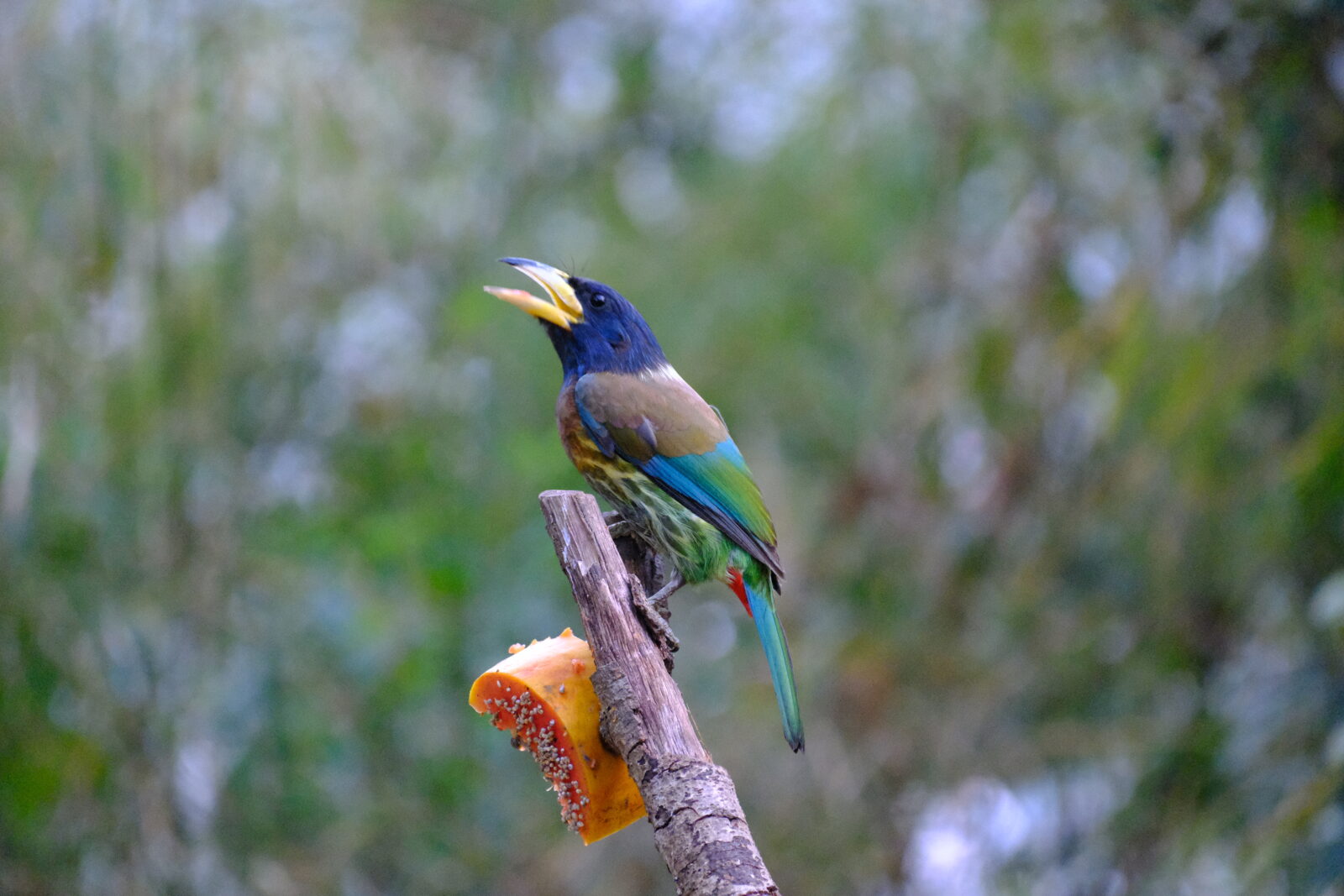
And yet, the trip found its rhythm.
There were lifers from the very first session, and more followed soon after. Some appeared almost as if in response to a quiet request — a bird I had wanted to see for a long time turning up not just once, but across multiple days, each sighting adding a little more familiarity. Others came as complete surprises, striking in ways I had not quite anticipated. And then there were moments that stayed longer than most — one particular sighting where we spent close to twenty minutes simply observing, taking in the colours, the movement, and the setting, without feeling the need to rush.
Not all moments allowed for that kind of stillness.
With experienced guides keen to maximise sightings, there were times when the pace moved quickly — from one call to another, one spot to the next, one possibility giving way to another. It brought results, no doubt, but it also meant that some observations felt fleeting, as if the act of seeing had briefly overtaken the act of staying.
It was in this space — between movement and pause — that the binoculars began to matter more.
A sighting, I realised, was no longer a single moment but a sequence. The guide would first locate the bird, often by sound or subtle movement. Then came the process of finding it myself, adjusting to its position, its stillness or motion. The binoculars would bring it closer, making sense of what was otherwise a fleeting presence. Only then came the camera, and sometimes a video, each attempt to hold on to something that was never meant to stay still. And after all of this, what remained most satisfying was often the simplest part — watching the bird with the naked eye, without the mediation of glass or screen.
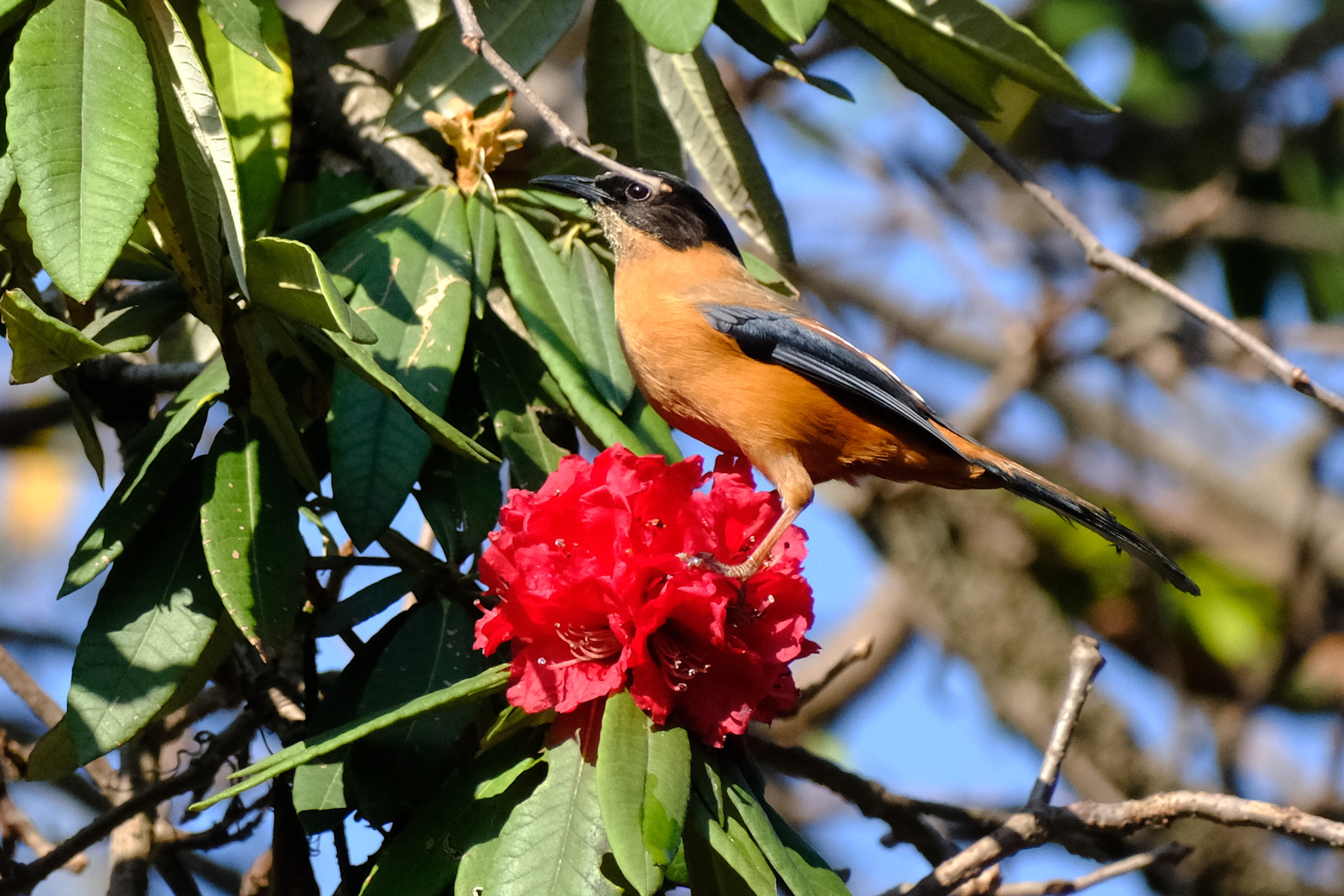
Not every moment lent itself to capture, and some of the best ones seemed to resist it entirely. A pair of woodpeckers, found only because I had momentarily lost track of the guide, moved between trees with an ease that felt almost playful. A bird we had prepared to wait for appeared just as we were about to leave, as if unwilling to be scheduled.
What we saw often came easier than expected, without long waits, though never without effort. And yet, for all that came together, there were others that remained just out of reach — much hoped for, but never appearing despite time, effort, and repeated attempts.
Birding, it became clear, does not negotiate; it offers what it will, when it will.
There were also quieter lessons in compromise. Another traveller carried a much larger setup, purpose-built for bird photography, and his images reflected that intent — sharp, detailed, and admired. Mine, at times, struggled with light, reach, and exposure. But carrying that kind of equipment is a commitment of its own, and somewhere along the way, the comparison lost its edge. The experience itself had begun to take precedence over the result.
The days did not build towards a single high point but unfolded in their own uneven rhythm. One morning began at four, with a long drive through steady rain towards Ranikhet. It felt, for a while, entirely futile. We waited, hoping the weather would clear, moved further along the road, and eventually accepted that it would not. The decision to turn back came quietly, without much discussion. And then, on the way down, by the roadside, the bird we had travelled all this way to see appeared without announcement. In that moment, the rain, the discomfort, and the uncertainty seemed less like obstacles and more like part of the journey that had led to it.
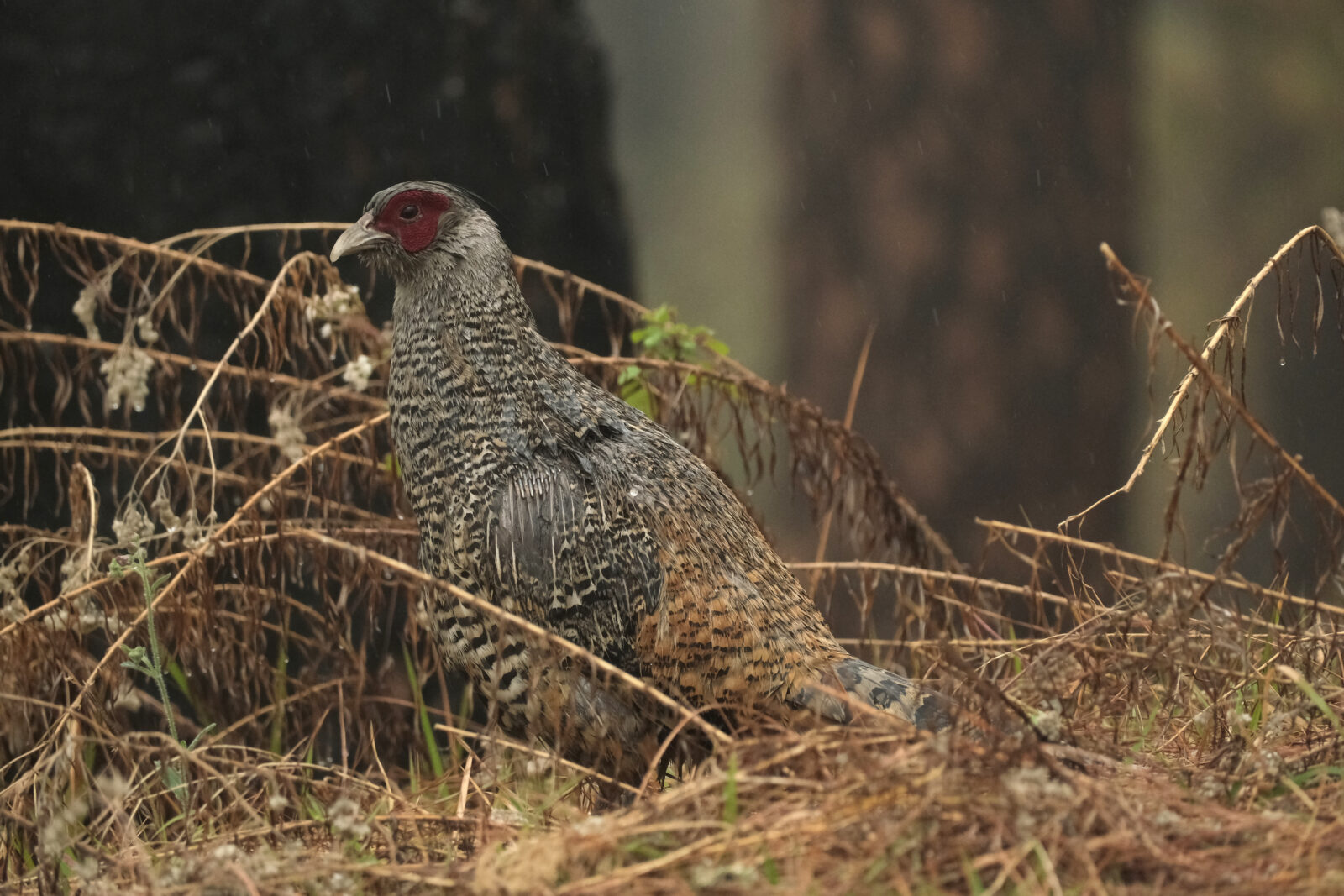
Another day passed almost entirely under rain, the forest subdued, activity minimal, and expectations lowered. By late afternoon, when the rain finally lifted, the change was immediate. Around the hotel, there was a sudden resurgence — birds moving through the trees, calls filling the air, a sense of life returning all at once. There was nothing particularly rare about what appeared, but there was something deeply satisfying in the way the landscape seemed to reawaken.
In between these sessions were the quieter intervals that rarely make it into itineraries — returning to the room soaked and cold, not quite prepared for this kind of weather, letting equipment dry while replaying the morning’s sightings. There was a certain stillness in those moments, a quiet contentment that came not from what had been captured, but from what had been experienced.
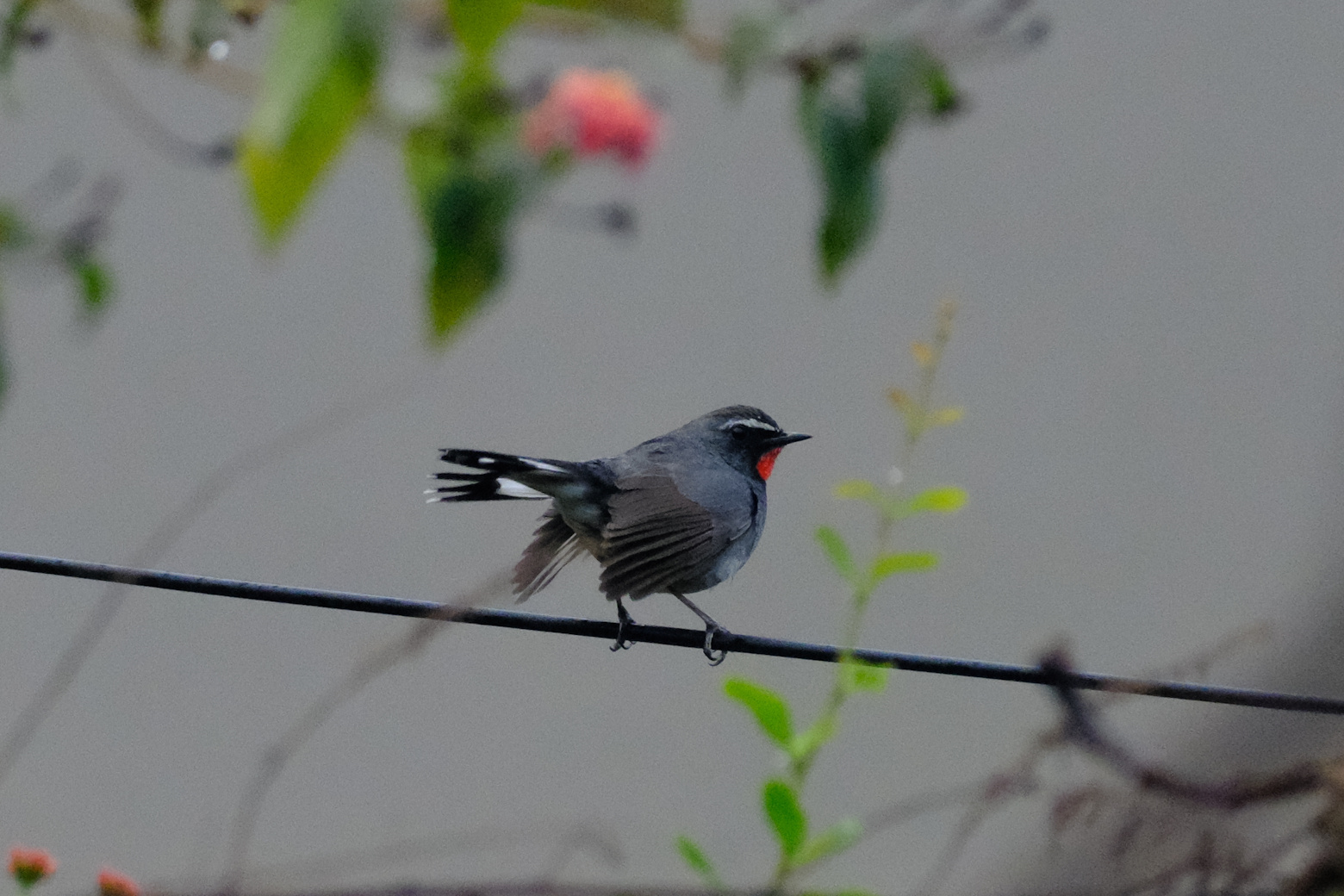
And through all of this, one bird stayed.
Not rare, not sought after, not even new.
The first time I saw it was in Vietnam, in near darkness, where it might easily have passed for something else entirely. If not for Merlin, I might not have known what I was looking at. Here, it was everywhere — in different light, across different settings, at different times of the day. Its colour shifted with the light, sometimes almost black, sometimes a deep, luminous blue. Its call was among the first sounds of the morning, and at times it appeared as close as fifty metres from the balcony, entirely at ease in its surroundings.
No matter where I saw it, or when, it held my attention longer than expected. Perhaps because it asked for nothing — no chase, no effort, no negotiation. It was simply there, and in learning to watch it, I began to understand something of what the trip had been quietly offering all along.
The bird I could barely make out in the darkness in Vietnam now appears again and again, in different light, in different places, sometimes right outside my room.
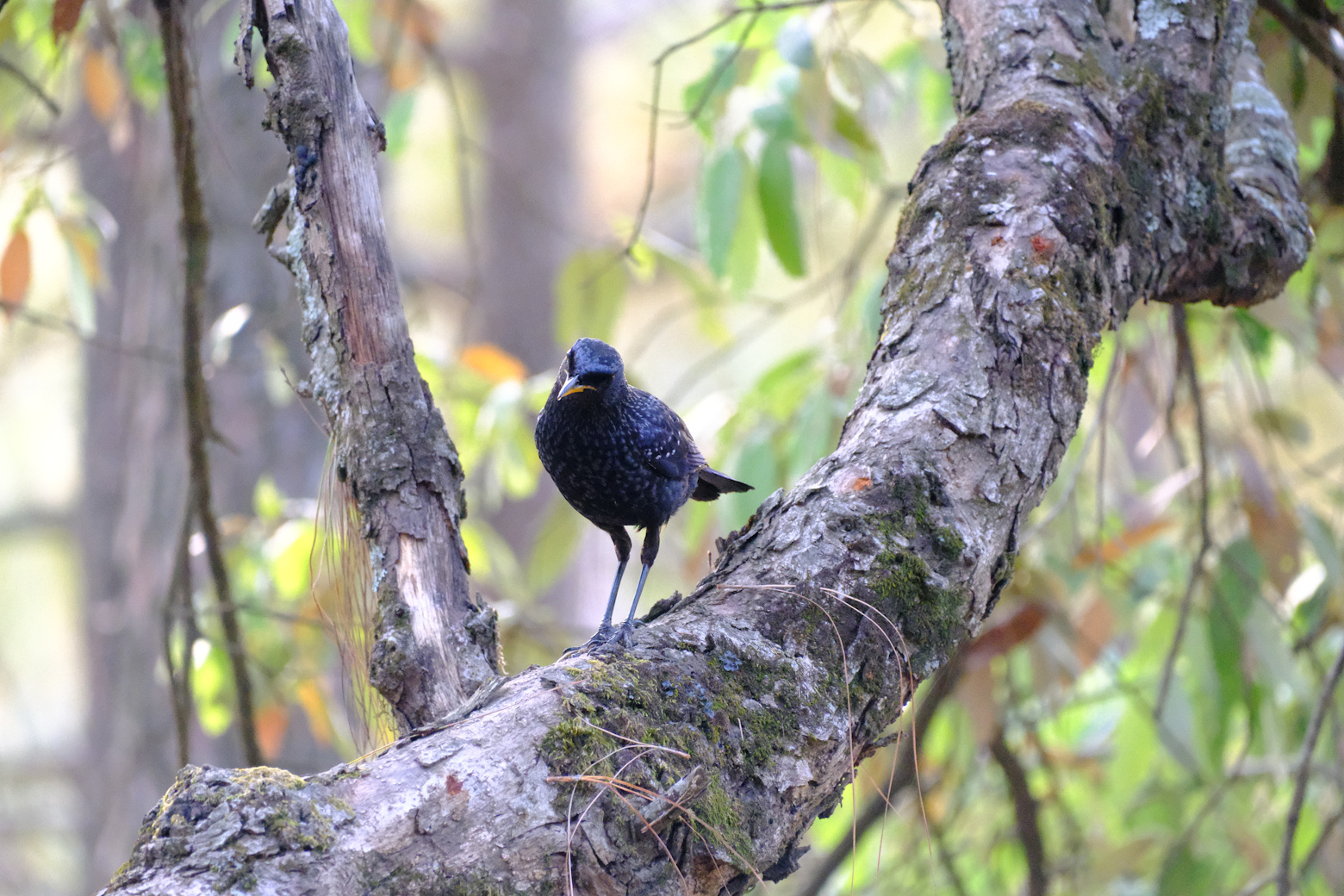
It doesn’t get more surreal than this. And yet, perhaps the next time, I might return not to see more, but to stay longer — to take in more of the air, the atmosphere, the sounds, and the birds, without feeling the need to move on too quickly.
Leave a Reply