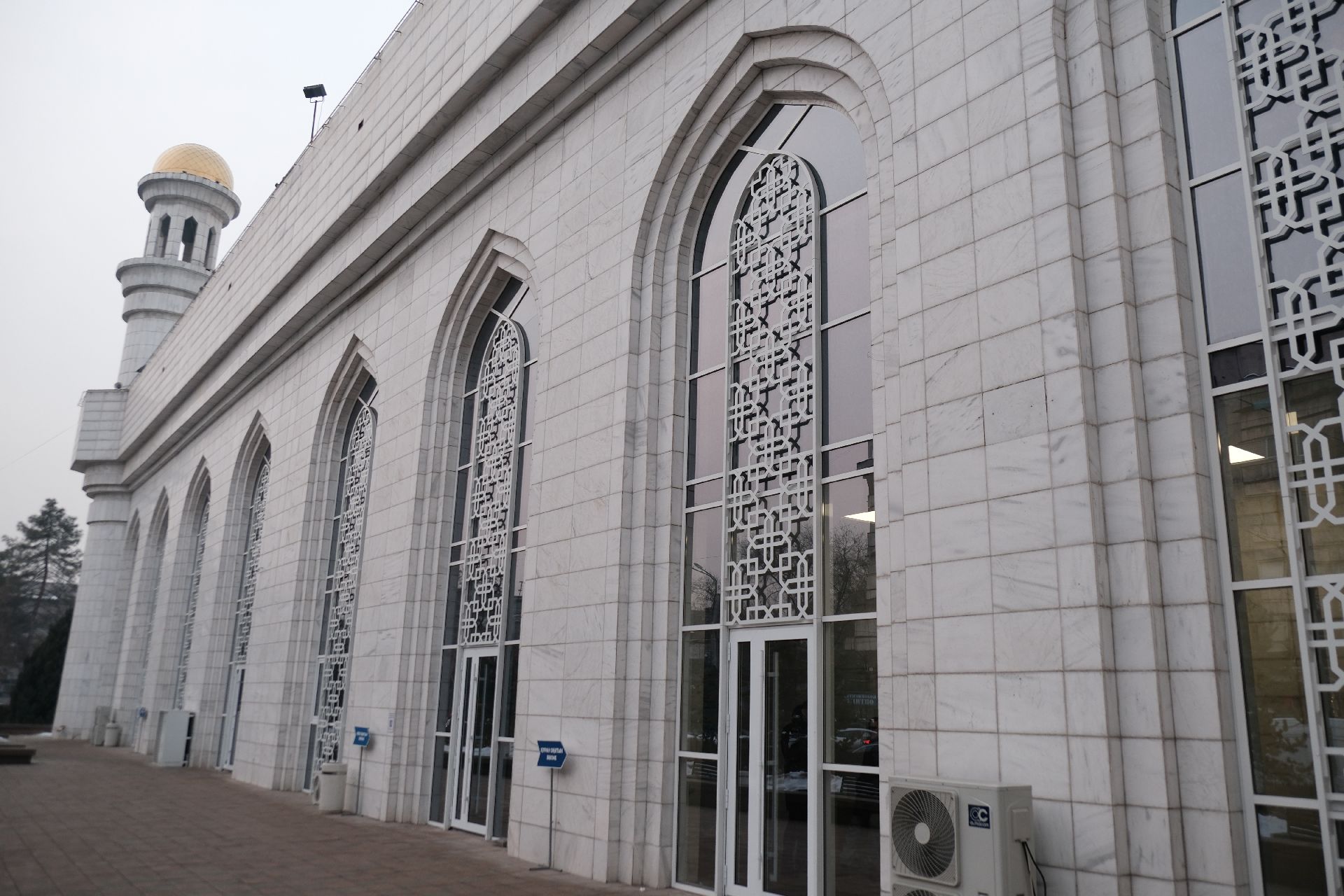
Central Asia unfolded for us in contrasts. Uzbekistan had drawn us into history — domes, tilework, and stories layered across centuries. Kazakhstan, we sensed even before arrival, would be different. Larger. Wilder. More defined by landscape than monuments. Almaty became our first introduction to that shift — a city that felt both grounded in memory and quietly looking outward towards the mountains and steppes that surround it.
We arrived in Almaty on the afternoon of 31st December, flying in from Tashkent on Air Astana. Snow lined the edges of the runway, and the air carried that crisp stillness that only winter seems to hold. The city felt orderly, spacious, and noticeably calmer than many capitals we had passed through. There was no rush to begin sightseeing — only the gentle awareness that the last day of the year was quietly drawing to a close.
For this segment of the journey, our tour operator had arranged both a driver and a separate guide. We were told the driver spoke very little English, while the guide would help bridge both language and local understanding. Whether or not this arrangement came at an additional cost, we never quite knew, but it proved useful in unexpected ways. It was she who suggested that we pick up some breakfast supplies that evening — warning us that after New Year celebrations, hotel breakfasts often run late. It was a small but thoughtful insight, and one that already hinted at how celebrations shape everyday routines here.
Our first stop in Almaty was Panfilov Park, one of the city’s most important public spaces. Even in winter, the park carried a quiet dignity. Snow softened the pathways, and visitors moved slowly, almost respectfully, through its open spaces.
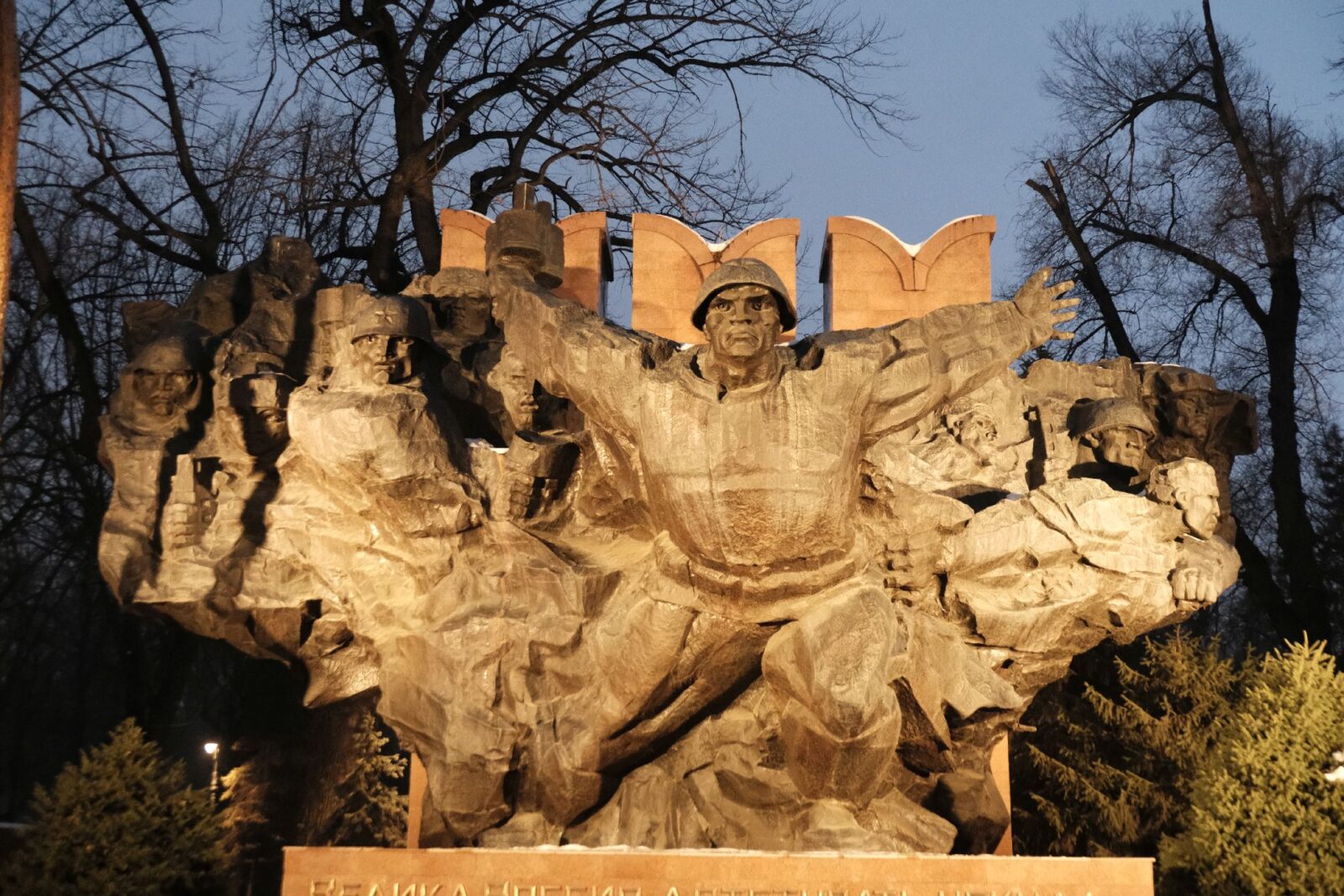
The park commemorates the Panfilov Guardsmen, soldiers who fought during World War II in the defence of Moscow. At its centre stands the Memorial of Glory and Eternal Flame, a powerful reminder of sacrifice and resilience. The monument’s sculptural panels depict soldiers, families, and moments of farewell and remembrance. The eternal flame burns steadily regardless of season — a constant presence anchoring the park’s historical significance.
There was a stillness here that felt appropriate for the time of year. As one year ended and another prepared to begin, the monument quietly reminded visitors of continuities far deeper than calendars.
A short walk from the memorial brought us to the Zenkov Cathedral, also known as the Ascension Cathedral. Rising unexpectedly among snow-covered trees, its pastel-coloured wooden façade stood in striking contrast to the muted tones of winter.
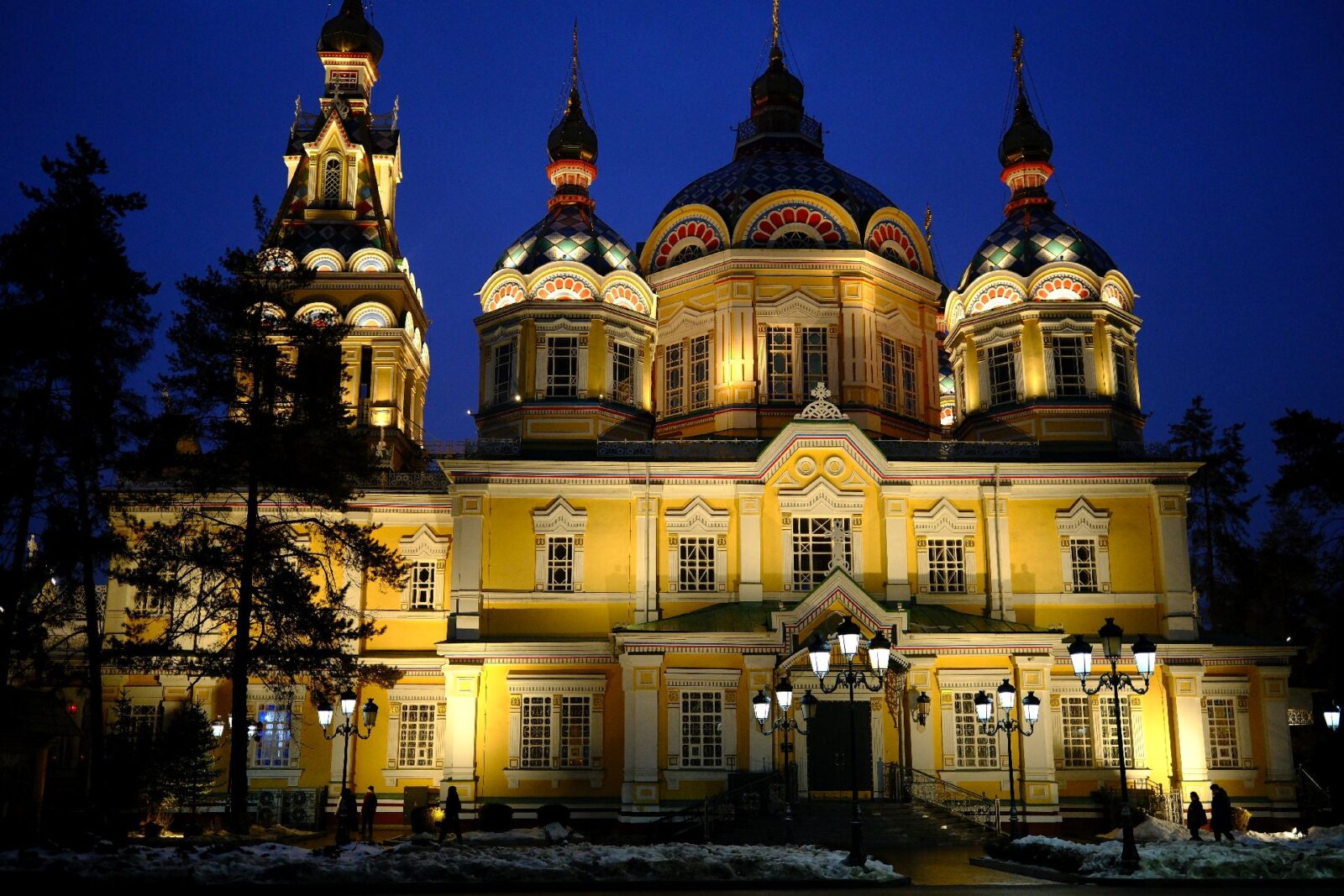
Built in the early 20th century, the cathedral is notable not only for its appearance but also for its construction. Made almost entirely of wood and assembled without metal nails, it remains one of the tallest wooden Orthodox churches in the world. Remarkably, it survived several major earthquakes, becoming both a religious and architectural symbol of endurance.
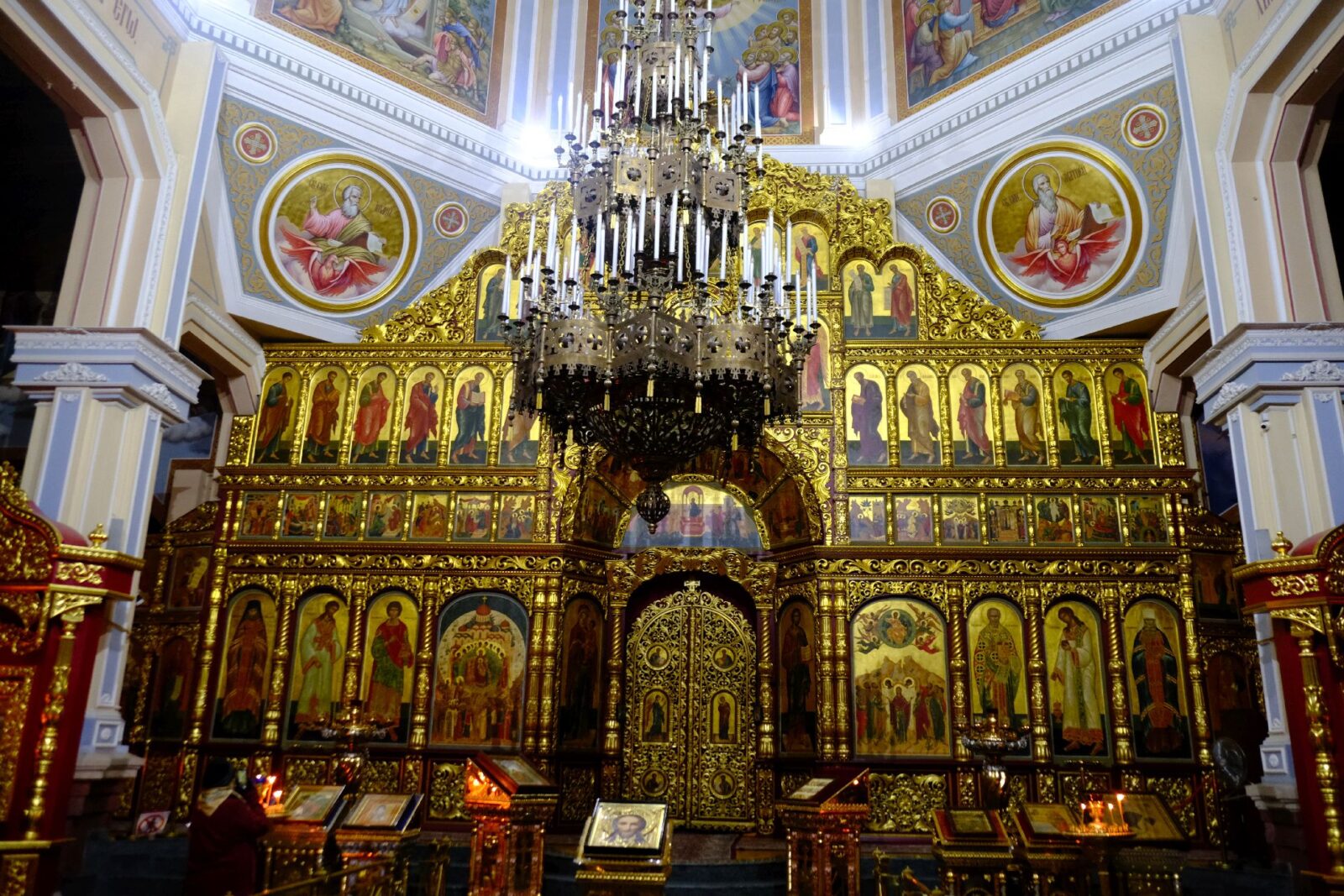
Inside, the warmth of candlelight and iconography created a space of quiet reflection. Visitors moved softly, their voices lowered, while worshippers stood before icons in prayer. The atmosphere felt contemplative without being imposing — a reminder of how faith spaces often anchor communities across generations.
Within the same park complex, we visited the Museum of Kazakh Folk Musical Instruments. Housed in a charming wooden building, the museum offered an intimate introduction to Kazakhstan’s musical traditions.
The collection traces the evolution of traditional instruments shaped by nomadic life — instruments designed to be portable, expressive, and deeply connected to storytelling traditions. Many were crafted from natural materials such as wood, leather, and bone. Listening stations allowed visitors to hear the instruments in performance, bringing to life the rhythms of steppe culture.
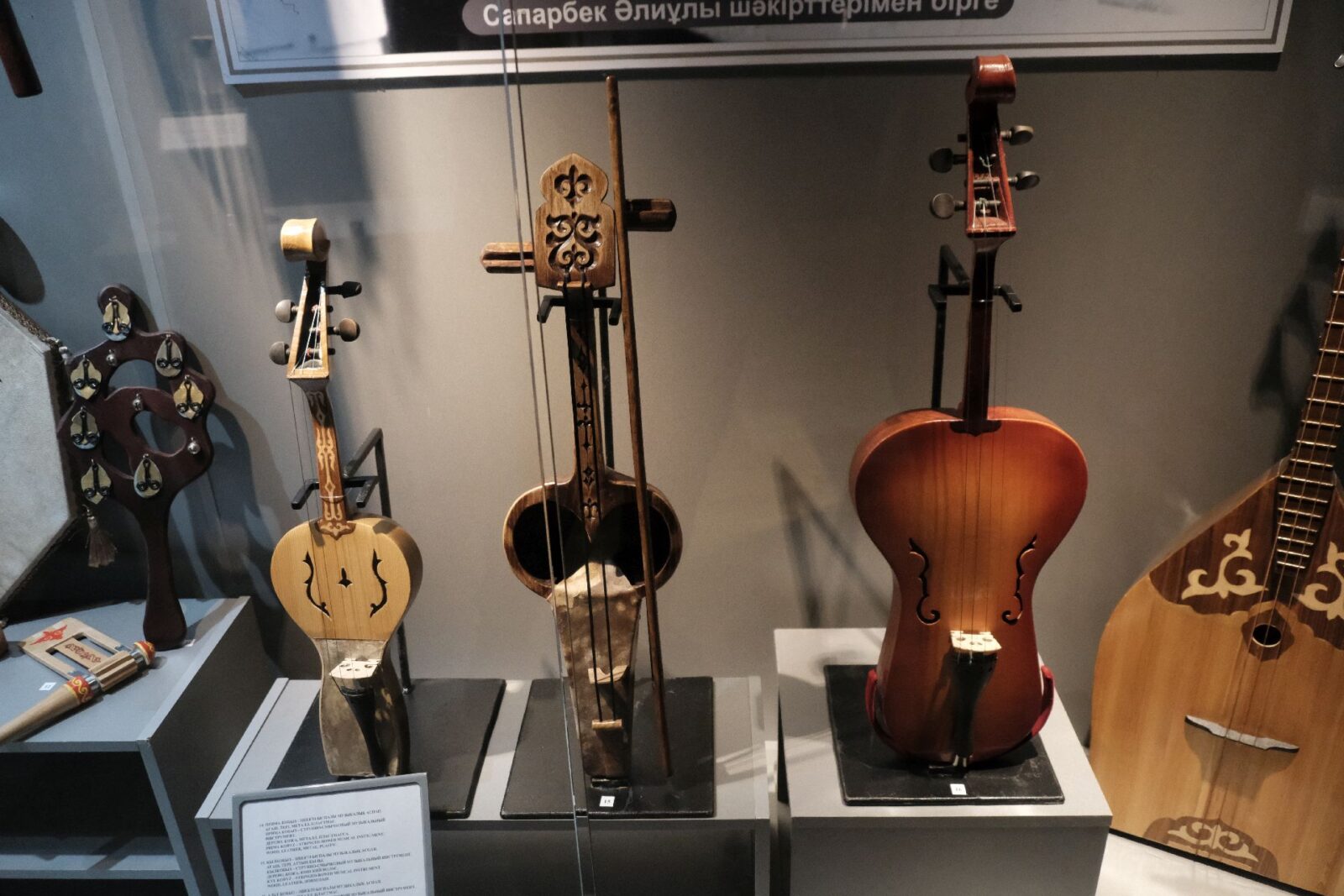
The museum felt less like a display of artefacts and more like a preservation of memory. Music, after all, travels easily across landscapes where written records were once scarce.
As the evening faded into night, our guide gently suggested that we avoid large, organised New Year gatherings. Instead, she recommended a walk along Arbat Street, the city’s pedestrian boulevard, where celebrations would feel more local and unstructured.
Before heading there, we followed her earlier suggestion and picked up some basic breakfast items. It was a simple errand, but one that quietly revealed how cities change their rhythm during festivals — practical knowledge rarely mentioned in guidebooks.
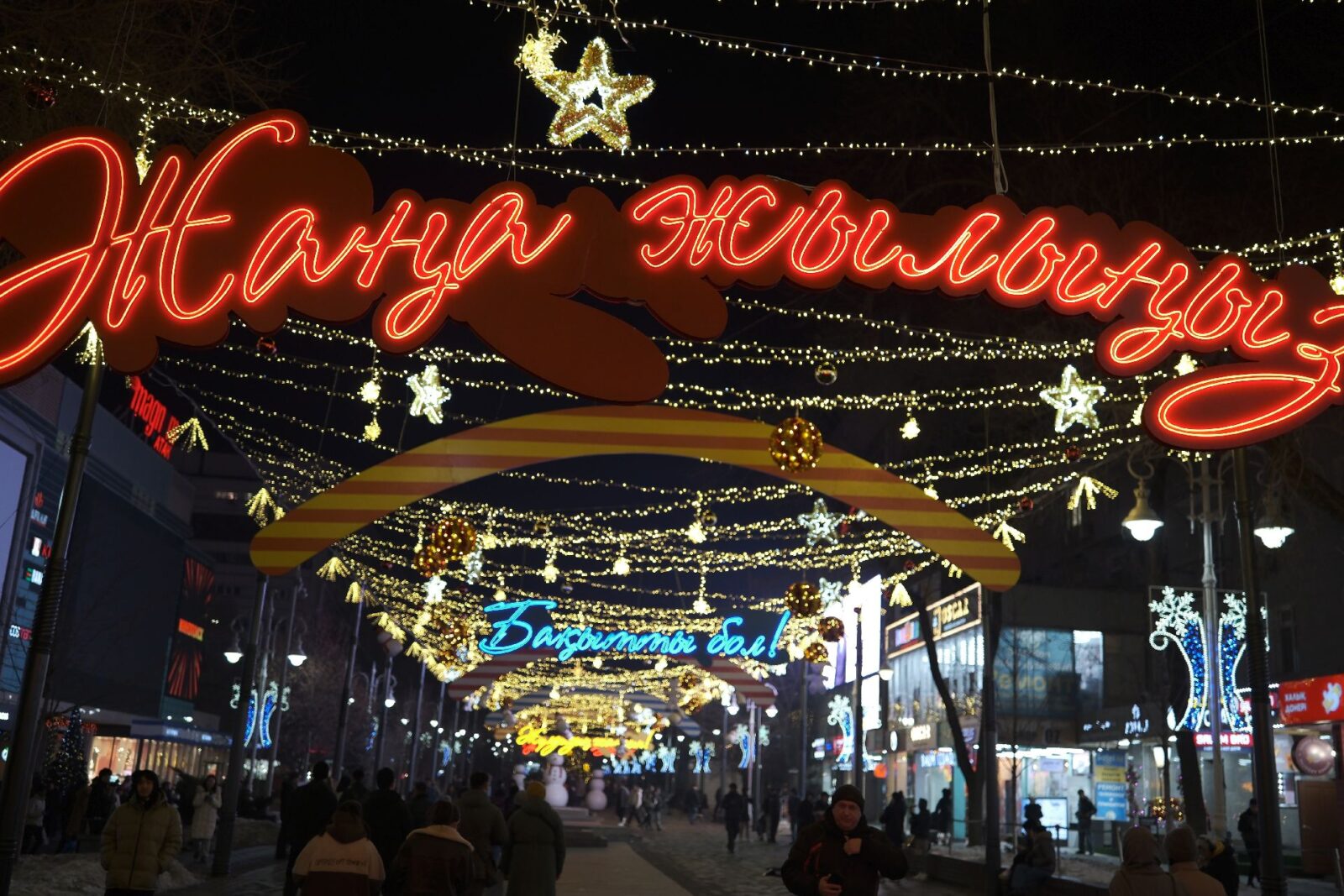
Arbat Street introduced us to Almaty’s everyday cultural pulse. Unlike grand public squares designed for spectacle, Arbat is a space where the city meets itself — artists displaying paintings, street performers playing music, small cafés spilling warm light onto the pavement, and families walking together despite the winter chill.
On New Year’s Eve, the street felt festive without being overwhelming. Lights hung across walkways, and groups gathered in small clusters, talking, laughing, and occasionally stopping to watch performances. There were no countdown clocks dominating the atmosphere, no overwhelming noise — only a gradual build-up of celebration woven into ordinary city life.
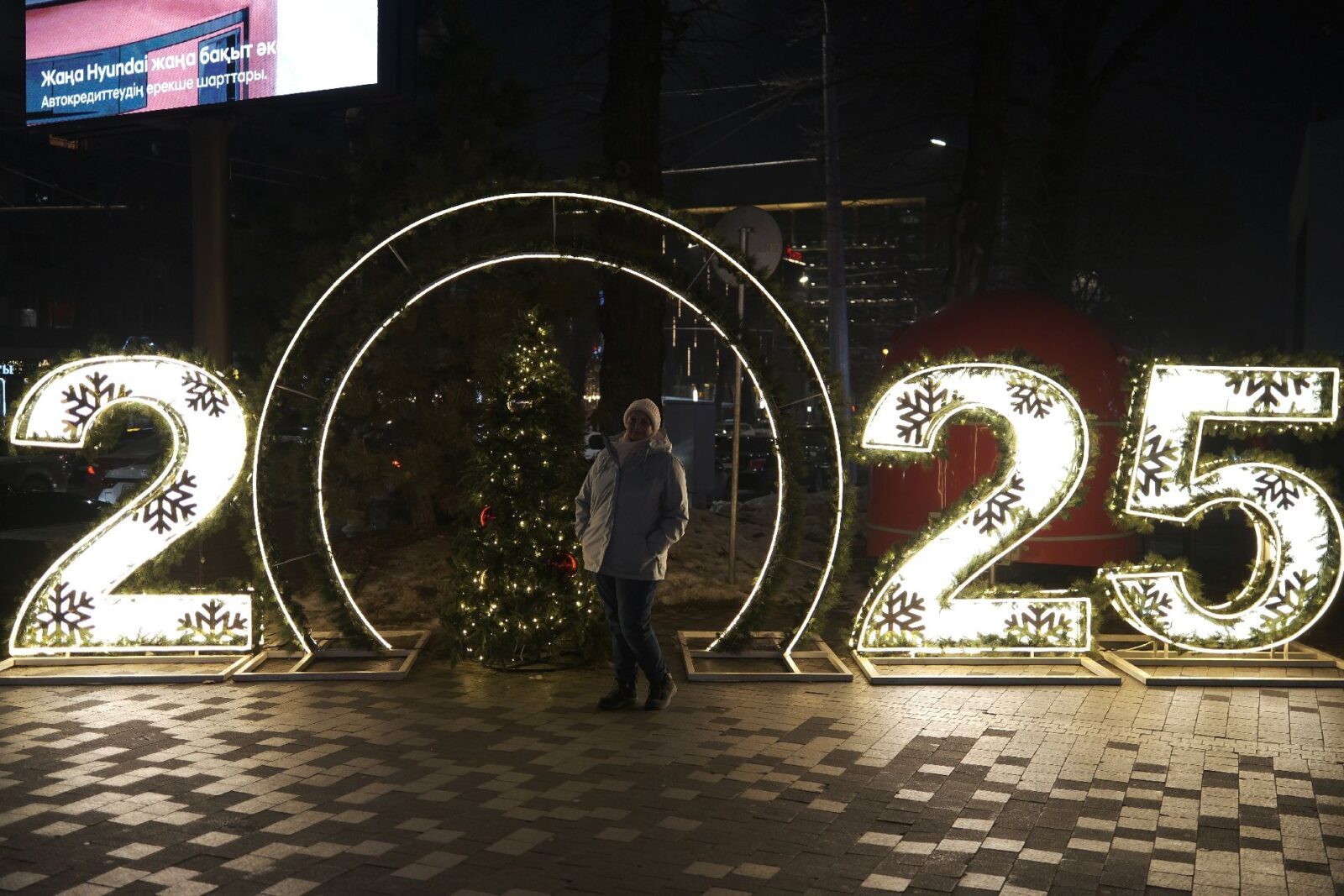
We walked slowly, allowing the evening to unfold around us. The cold air carried the smell of roasted snacks from nearby stalls, and somewhere in the distance, music drifted across the street. It felt like a gentle transition into the new year — understated, but deeply atmospheric.
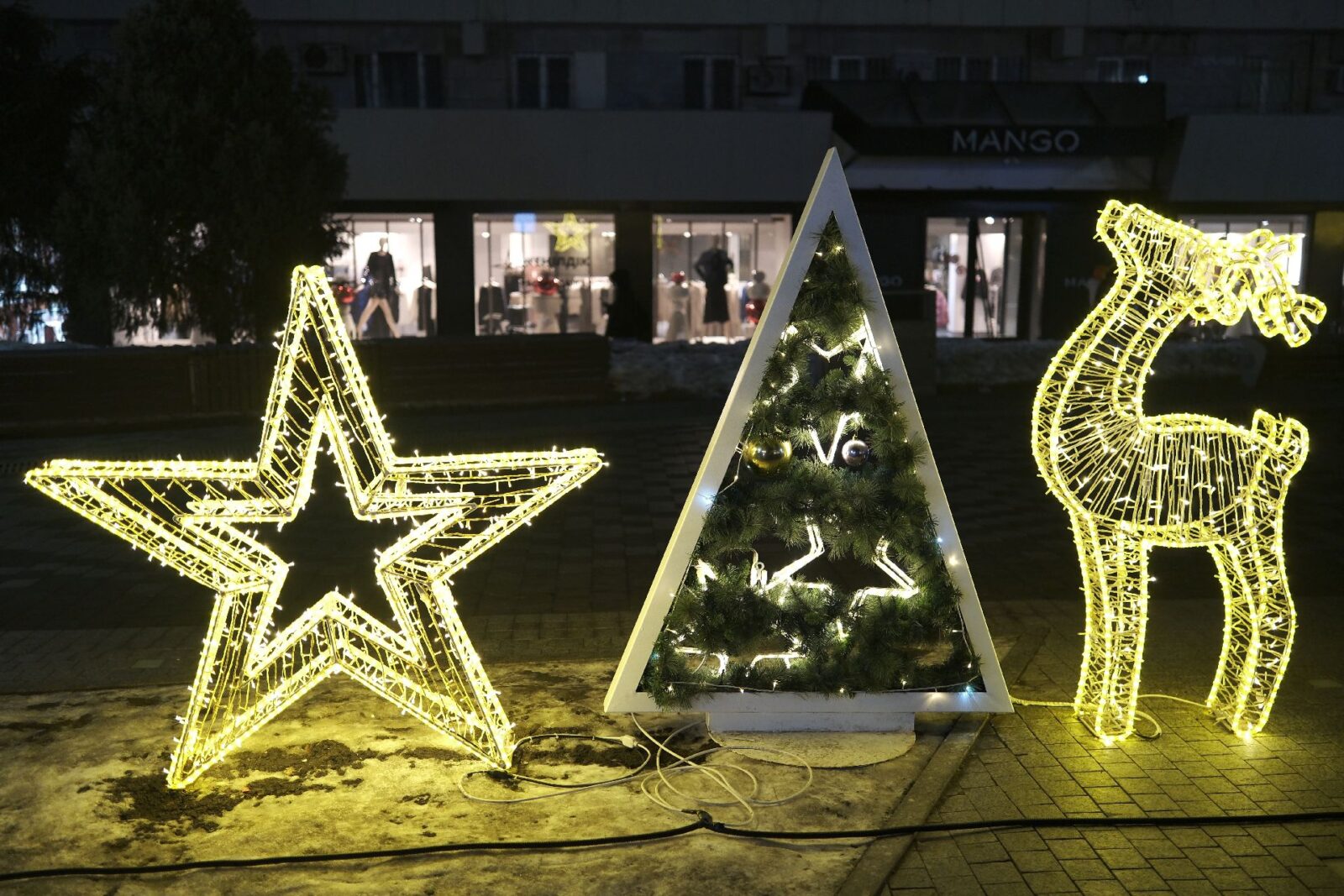
By the time we returned to the hotel, the city was preparing for midnight in its own quiet way. We chose to step away from large public gatherings, content to welcome the new year with rest and anticipation of the journey ahead.
Leave a Reply