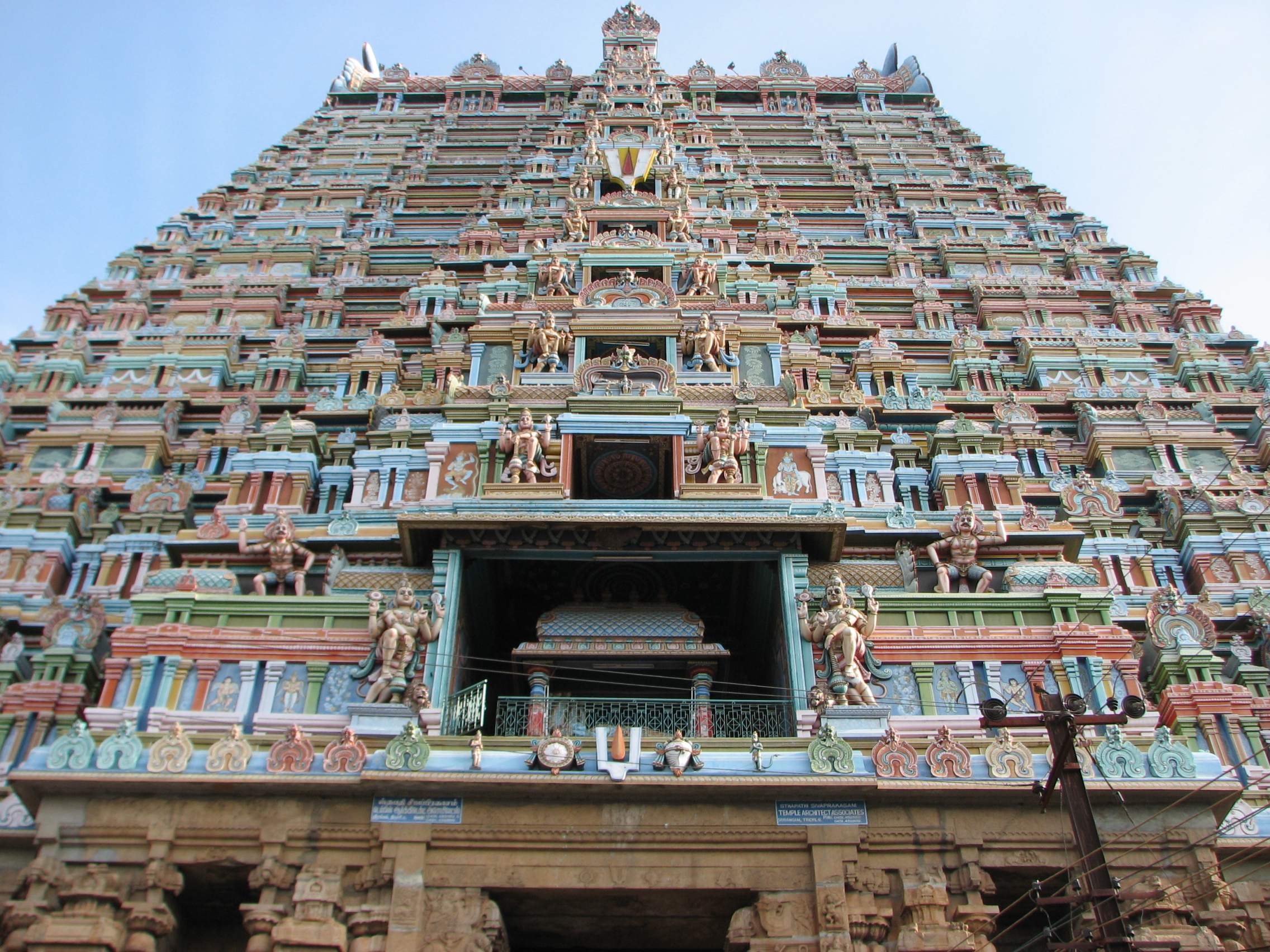
The first time I tried to reach Srivanchiyam, I failed.
It was already warm when I arrived at Nannilam bus stand, the kind of Tamil Nadu heat that settles into the concrete and waits patiently. I had come by bus from Tiruvarur, guided by something far less reliable than a timetable — a line from a Dikshitar kriti that had lodged itself in my mind. The Vanchinathar Temple at Srivanchiyam was not far, at least on paper. In practice, no one at the bus stand seemed certain how to get there.
I returned the next day, better prepared, or so I thought. After combing through early internet forums and scattered temple references late into the night, I learned that there was a bus that passed through Srivanchiyam at a specific hour. I waited nearly two and a half hours before a conductor casually informed me that the bus had broken down somewhere along the route. By then it was close to one o’clock. The temple would close. There was no point continuing.
It was only on the third attempt that I finally stood inside the temple.
Looking back, it might seem excessive — three attempts for a single shrine. But I had not arrived there by accident. The journey had begun months earlier, not on a bus, but with a cassette.
A cassette with a few Dikshitar kritis on Lord Shiva, gifted by someone I hold in great regard, became the starting point. Along with it came a recording of the Navagraha Kritis of Muthuswami Dikshitar, sung by the Bombay Sisters. At that stage of life, astrology fascinated me more than spirituality. The planetary associations caught my attention first. But it was the sahitya that held me.
Dikshitar’s compositions felt different. They were not merely expressions of personal devotion; they were dense with references — to specific temples, to iconography, to geography, to ritual practice. A kriti did not simply praise; it situated.
In Angarakam Ashrayami in Surati, there is a line — Pujita Vaidyanatha Kshetram — a clear reference to Vaitheeswaran Koil. Suddenly, music was not abstract. It pointed somewhere. It named a place. If others could trace the geography of Ponniyin Selvan across Tamil Nadu, why could I not trace Dikshitar? The map did not exist on paper. It existed in the lines of the compositions.
The kritis did not tell me how to reach a temple. They told me why it mattered. The how was left to bus schedules, modest lodges in Kumbakonam or Tiruvarur, and persistence.
At Srivanchiyam, the sahitya had already framed the experience. In the kriti, there is reference to the deity as Sri Mangalambā sameta, and to the place as one that grants merit exceeding even Kashi — Kāśyādhika phala pradham. There is mention of Āditya varotsavam, the Sunday ritual that continues even today. The temple tank, often overlooked in hurried visits, takes on significance through the line Pāthakāhara Muni Teertha Vaibhavam — the sacred Muni Teertha, also known as the Gupta Ganga, believed to absolve sins. Standing before the tank on that third visit, it was no longer just water. It was a reference fulfilled.
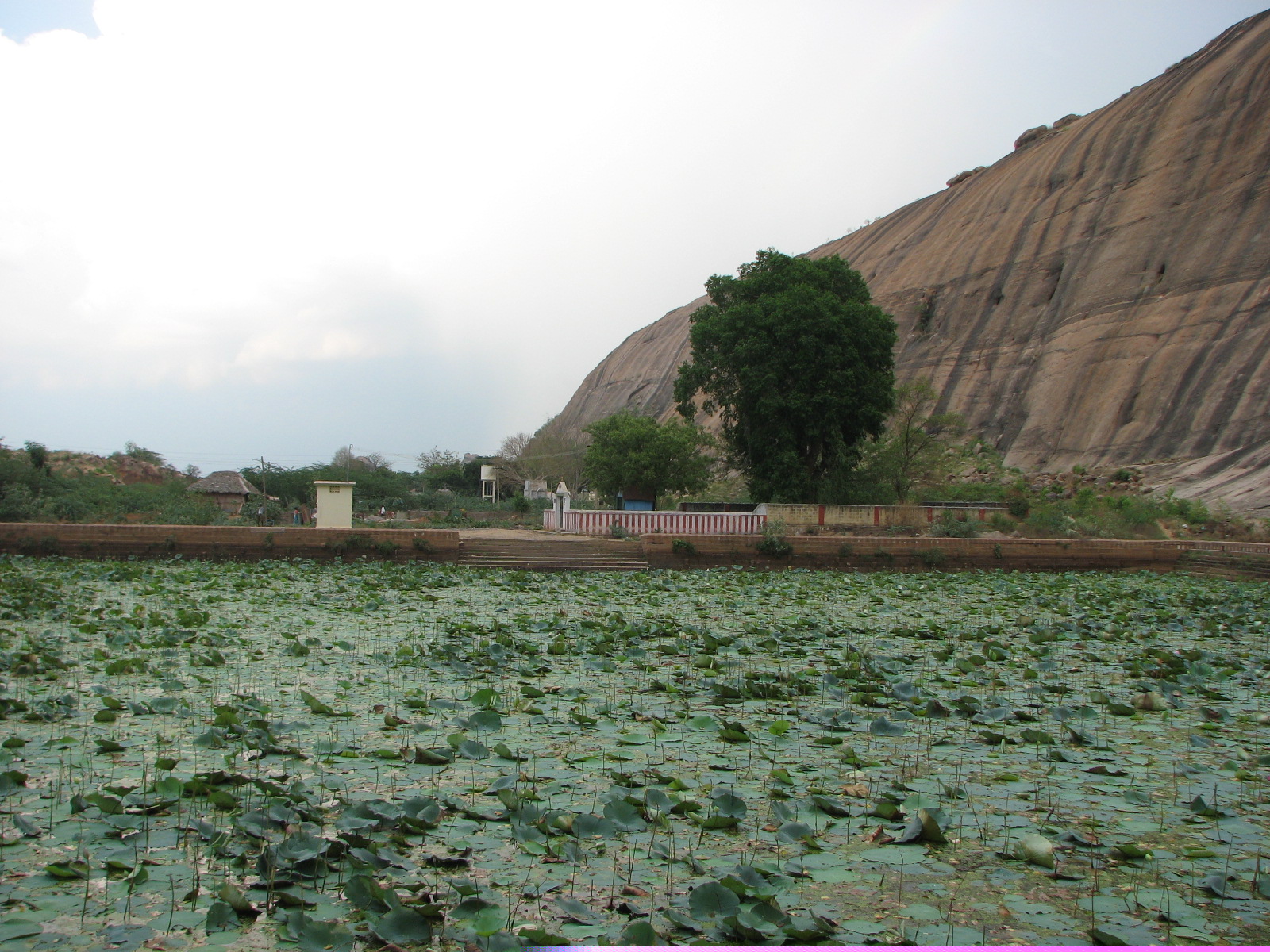
The kriti also refers to the kshetra as Gandharva kshetra, recalling the sandalwood groves that once marked the place. Whether or not the forest remains, the memory survives in music. That was the pattern. The sahitya trained the eye.
I had visited the Meenakshi Temple in Madurai many times before. But after listening closely to Halasya Natham Smaramyaham, the temple changed. The phrase Navanīta Kāli pūjitām surfaced when I stood before the butter-anointed Kali shrine outside the Sundaresvara sanctum. The idol was no longer peripheral; it was named. Nearby, the Hanuman image echoed the line Nandīrūpa Añjaneyādi nutam. The temple’s architecture and iconography felt less accidental.
In Sundareswaraya Namaste, the phrase Bhadra Kāli pūjitāya resonated again with that same shrine. Music created continuity across visits.
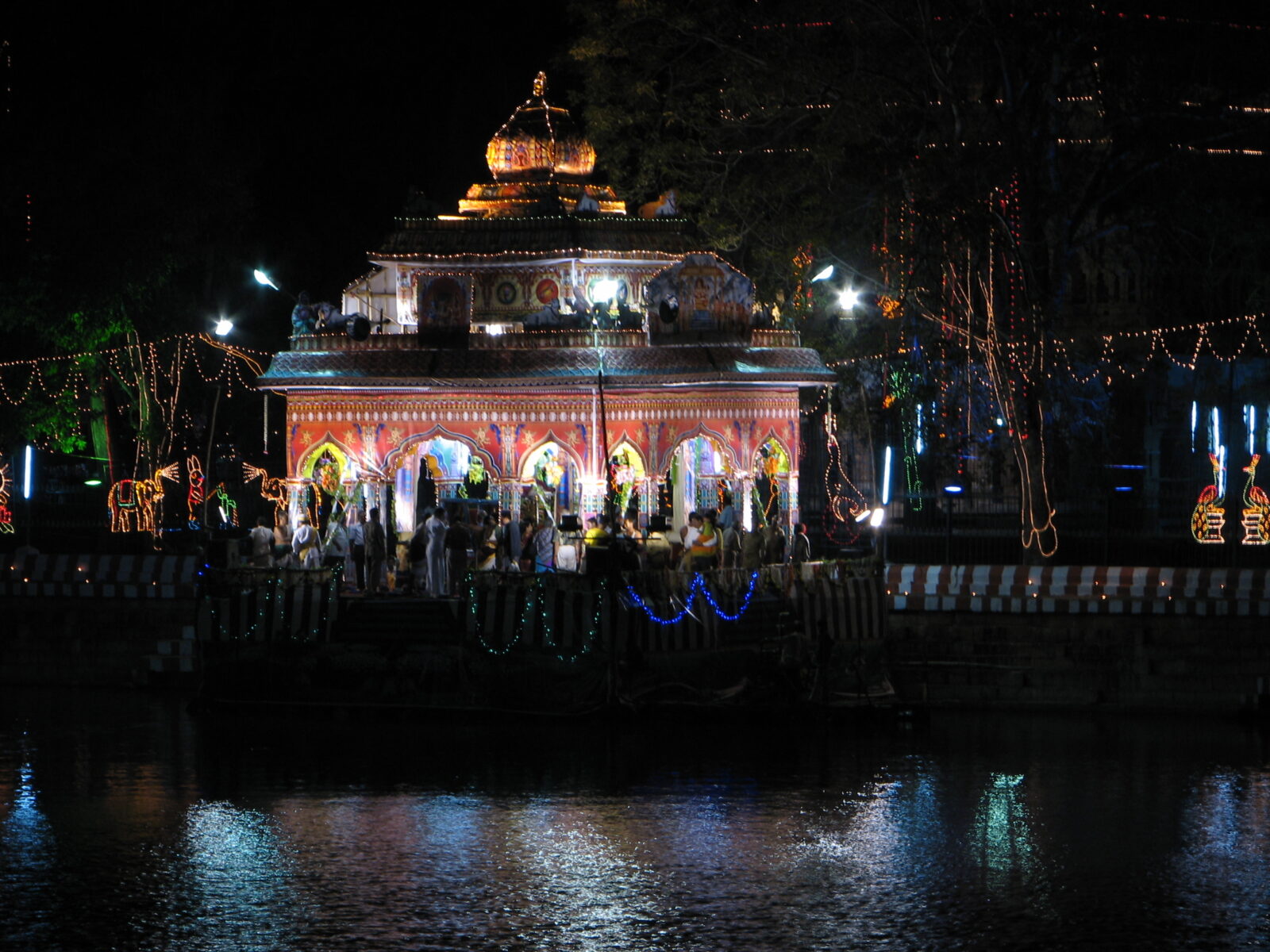
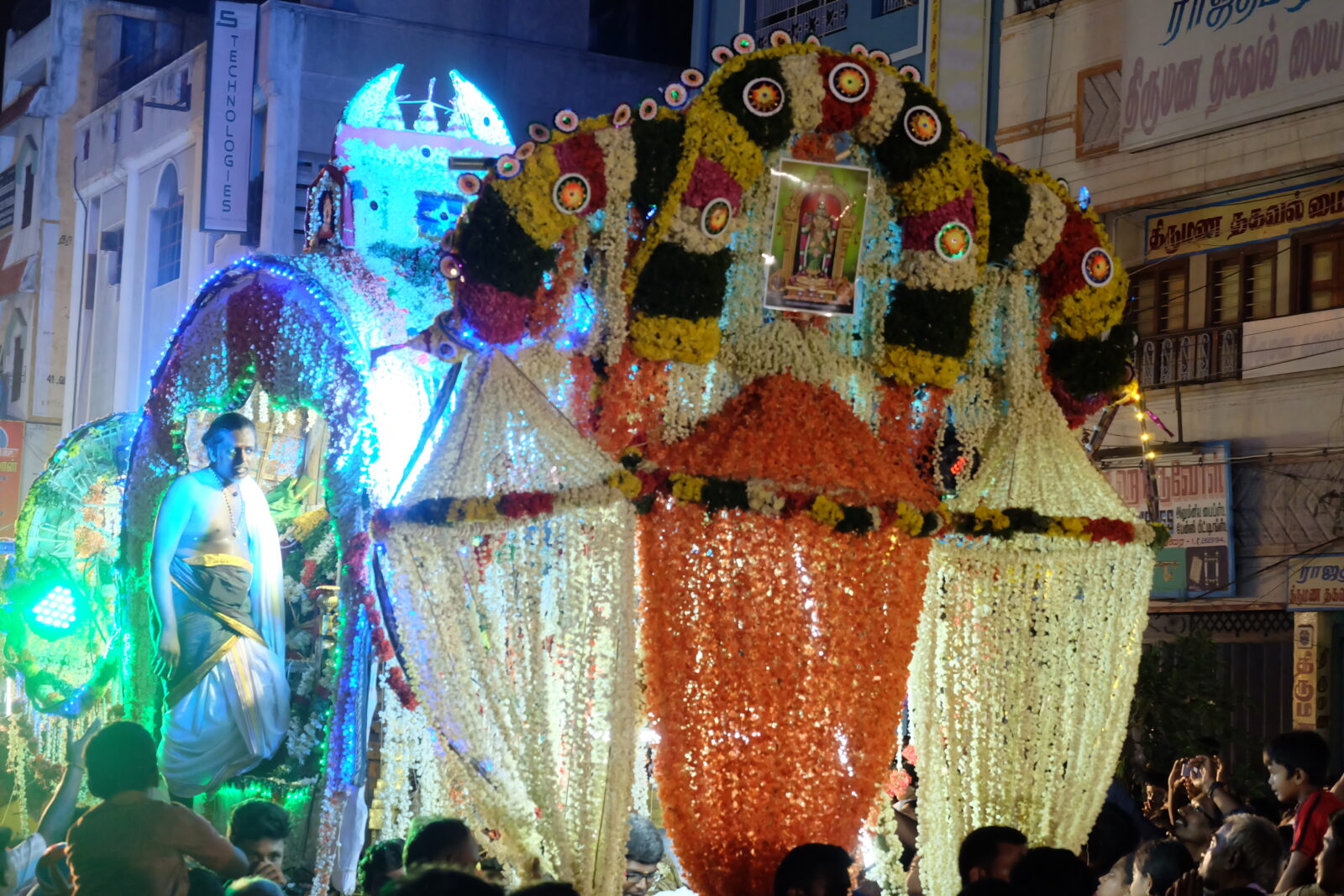
Even festivals acquired texture. The line Navādi Āṣāḍa mahotsavam hinted at the grandeur of the float festival. Long before I witnessed it, the kriti had placed it in my imagination. When I eventually saw lamps reflected on the tank during the Theppam festivities, the scene felt anticipated — as though music had sketched it first.
At Azhagar Koil, Sri Sundararajam Bhajeham became guide and glossary. Soma Skanda vimanastham drew attention to the architectural form above the sanctum. Vrishabhachala Sadanam grounded the deity in the hill itself. Noopura Ganga Teertha Prabhava brought the sacred waters into focus. The mention of Adhyatbudha Mandukakana Mahotsava Vaibhava hinted at festival traditions embedded in the Manduka Agama. Landscape, architecture and ritual were no longer separate elements; they were interlinked through sahitya.
In Tiruchirappalli, the kriti Sri Matrabhutam refers to Trishiragirinatha — the older name that survives in music even as the town becomes modernised into “Trichy.” The goddess is described evocatively as Sugandhi Kuntalambharam — one with fragrant tresses. The line Vaishyajati Sri Veshadharanam recalls the legend of the Lord appearing in the guise of a vaishya woman. Even the mention of Suvasita Nava Javanti Pushpa Vikasa Priya Hridayam brings fresh javanti flowers into imagination. Tayumanavar Temple became layered — myth, botany, poetry.
At Thiruchendur, the line Patra Vibhuti Pradāna Nipuna in the Sri Subrahmanyam kriti refers to the practice of giving vibhuti on a leaf. To see that ritual still enacted, centuries after it was composed into music, creates a quiet awareness: traditions described in sahitya are rarely recent. They persist in practice, often more quietly than debates around them.
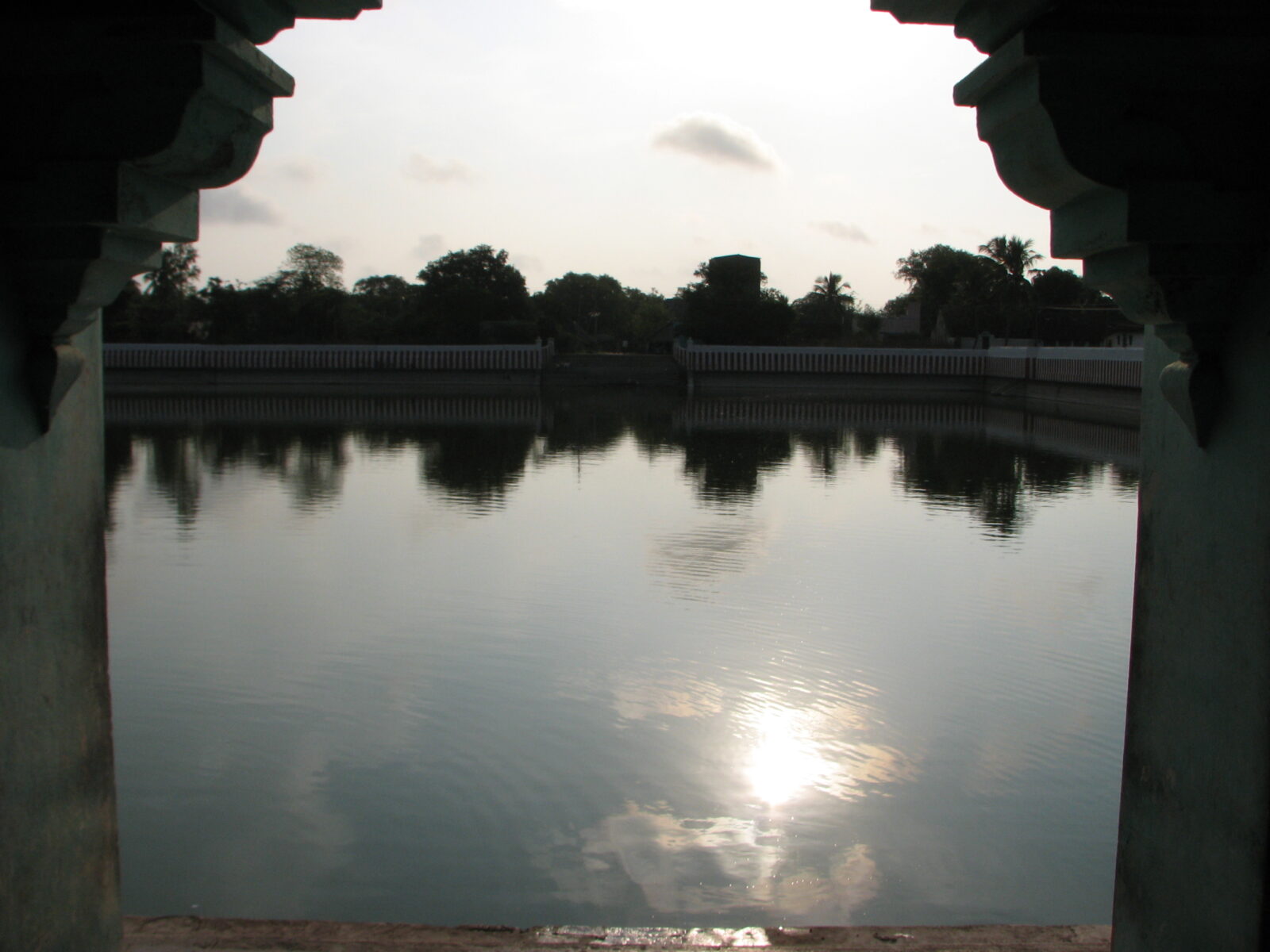
Nagapattinam, referred to in Kayarohaneswaram as Shivarajadhani kshetra sthitam, preserves in music an older geographical identity. Modern names may obscure lineage; the kriti retains it. The goddess appears as Neelayadakshi Manollasakaram, her presence animated through language.
In Keevalur, the grandeur of Akshaya Linga Vibho compelled the visit. The temple itself may not command the fame of larger shrines, but the kriti renders it expansive. The line Badarivana Moola Nayaka Sahita evokes forest imagery, linking the Lord with Vanamullai Amman. I went because the music made it impossible not to.
These journeys took place in the early 1990s, when information travelled more slowly than buses. The internet existed, but it rarely answered the precise questions one had. Maps were available, but they were not always detailed enough for a temple tucked beyond a main road. Much depended on asking.
As an introvert, I did this sparingly. A direct question might have saved time, but I often preferred to observe, infer, and piece together fragments. That reluctance added complexity to what was already uncertain. And yet, most of the destinations were eventually reached.
Years later, when work abroad made hiring a car possible, the equation shifted. Distances shrank. The question was no longer whether I could reach a temple, but how many I could visit within a morning before the doors closed for the afternoon. Geography yielded to scheduling.
Today, routes can be plotted instantly. Temple timings are updated online. A Navagraha tour can be assembled in minutes. The friction has reduced. But I sometimes wonder whether effort sharpened attention.
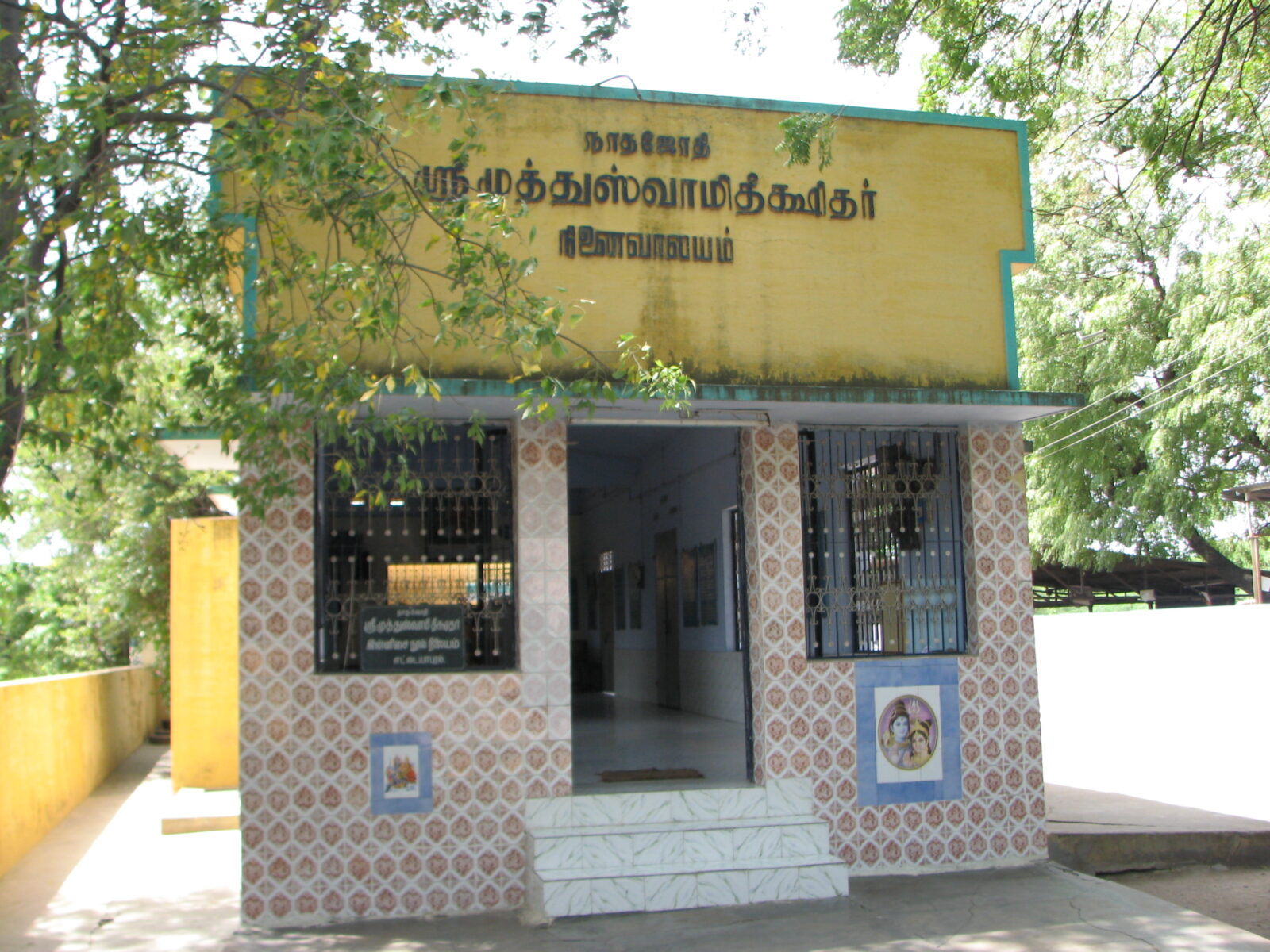
Following Dikshitar was never about checking temples off a list. It was about learning to see what had always been there — the temple tank, the sthalavriksha, the peripheral shrine, the older name embedded in a line of music. The kritis did not provide directions. They provided context.
I did not know it then, standing at Nannilam bus stand under the heat, that I was doing more than travelling. I was allowing language to shape perception.
The maps are easier now. The journeys smoother. But those bus rides — uncertain, repetitive, stubborn — remain tied to phrases that surface even today, sometimes unbidden, when I stand before a shrine.
Music led. I followed.
Leave a Reply