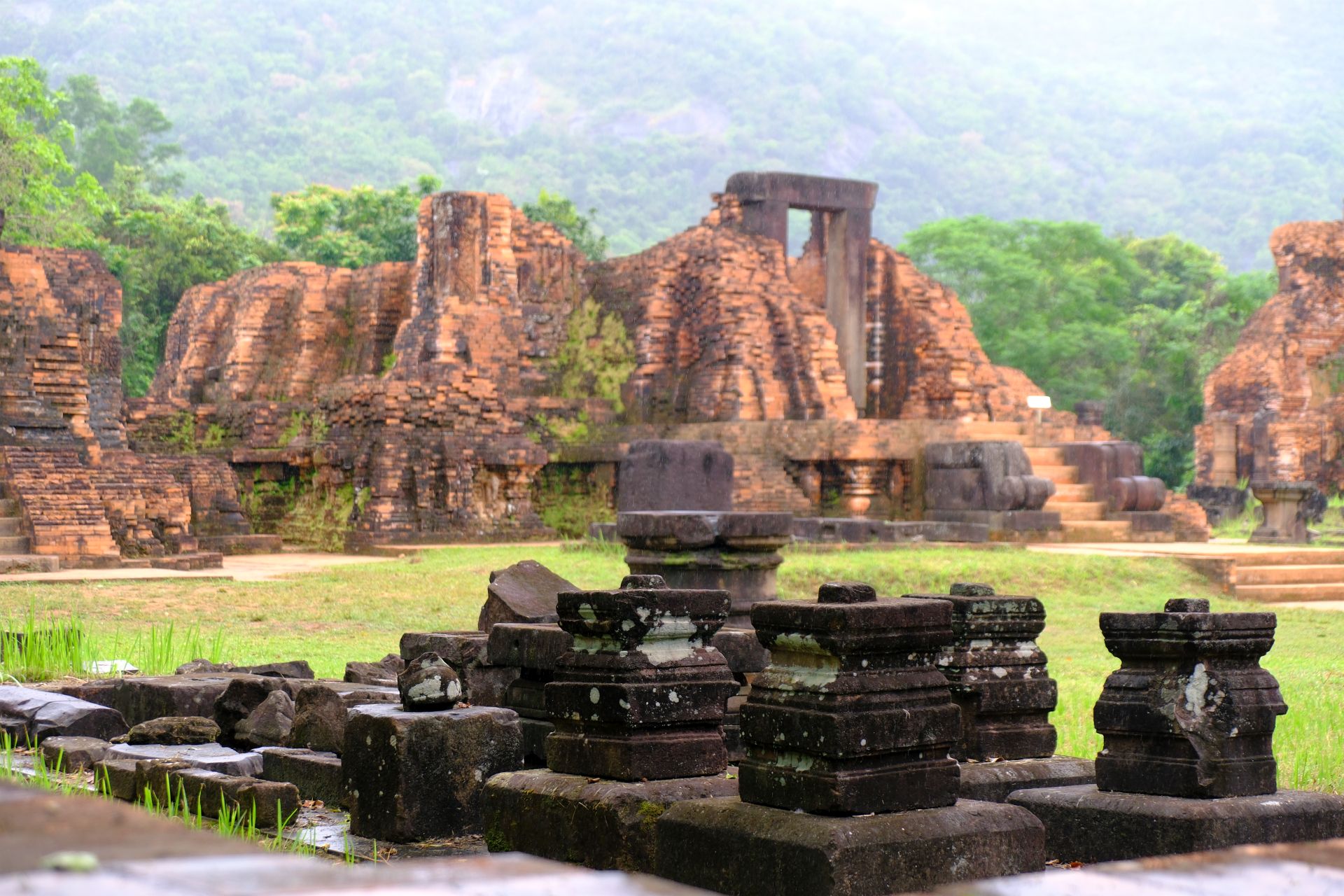
We left the calm of Hoi An early in the morning, the kind of unhurried start travel gifts you when there’s nowhere else to be. Breakfast done, plans loose, we headed inland—away from the coast and into the mist—towards My Son Sanctuary.
The road narrows, the air thickens, and suddenly you’re in a quiet valley ringed by low hills. Tucked inside it is a cluster of brick temples—weathered, scarred, and unmistakably sacred. This was once the spiritual heart of the Champa Kingdom, a powerful maritime civilisation that flourished here from around the 4th century CE.
For us, as Hindus, the connection was immediate—and deeply emotional.
A Hindu World Far From India
My Son wasn’t a fringe outpost of Indian culture; it was a living Hindu centre. The temples here were primarily dedicated to Shiva—often worshipped in his aniconic form as the linga, just as in many ancient temples across India. The Champa kings didn’t merely borrow symbols; they absorbed philosophy, ritual, and cosmology, adapting them to their own land.
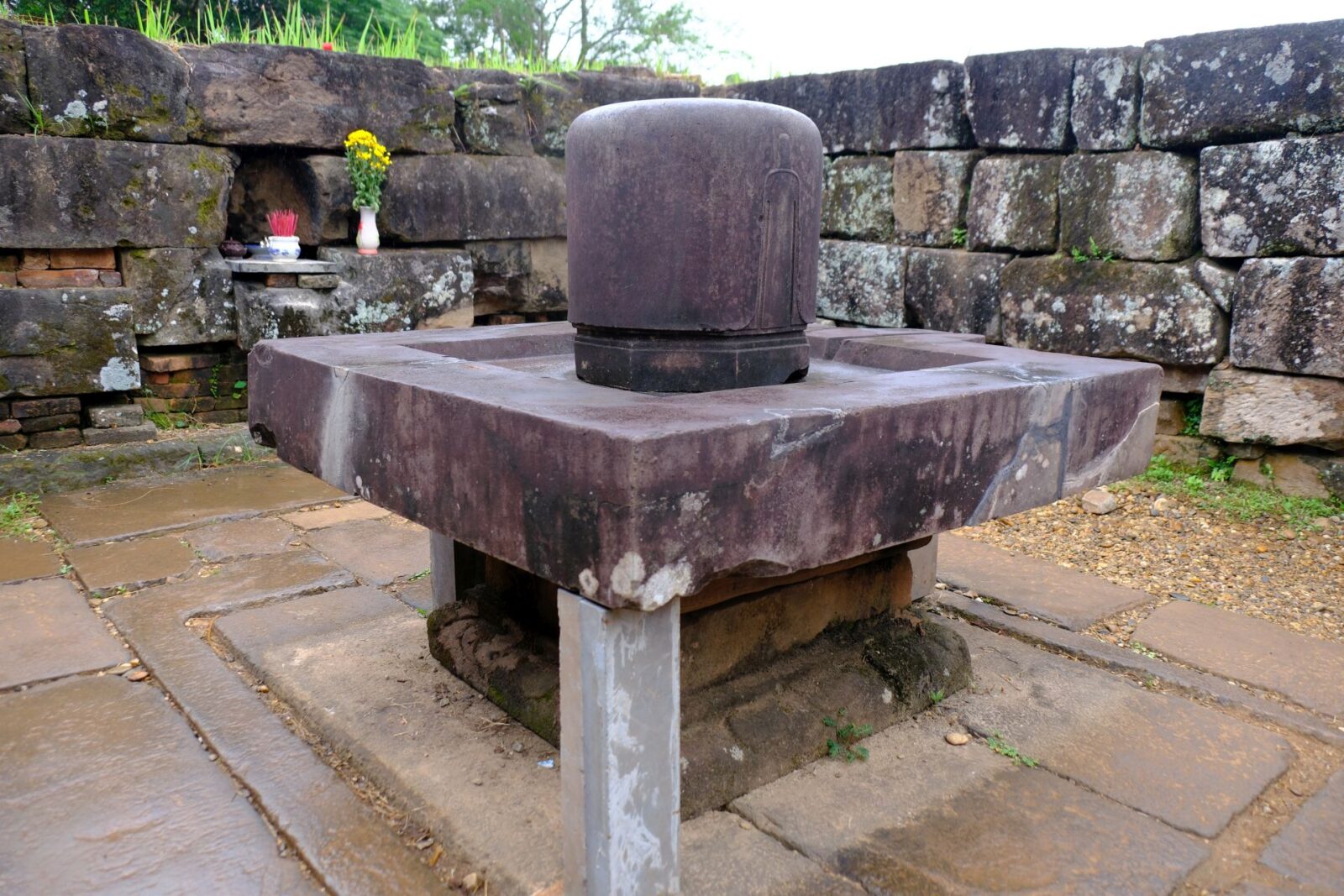
Centuries of trade across the Indian Ocean carried more than goods. Ideas travelled too—Shaivism, temple architecture, Sanskrit inscriptions, and concepts of kingship rooted in dharma. At My Son, these ideas didn’t remain foreign; they became local, sacred, and enduring.
Even the name Champa carries resonance. In India, the champa flower is sacred—associated with temples, offerings, and fragrance. Our guide casually plucked one from a tree as he explained this, but the moment landed heavily. Halfway across the world, the same symbols had once held meaning, devotion, and power.
This wasn’t “Indian influence” in the academic sense. It felt more like a shared civilisational memory.
Dance Before the Divine
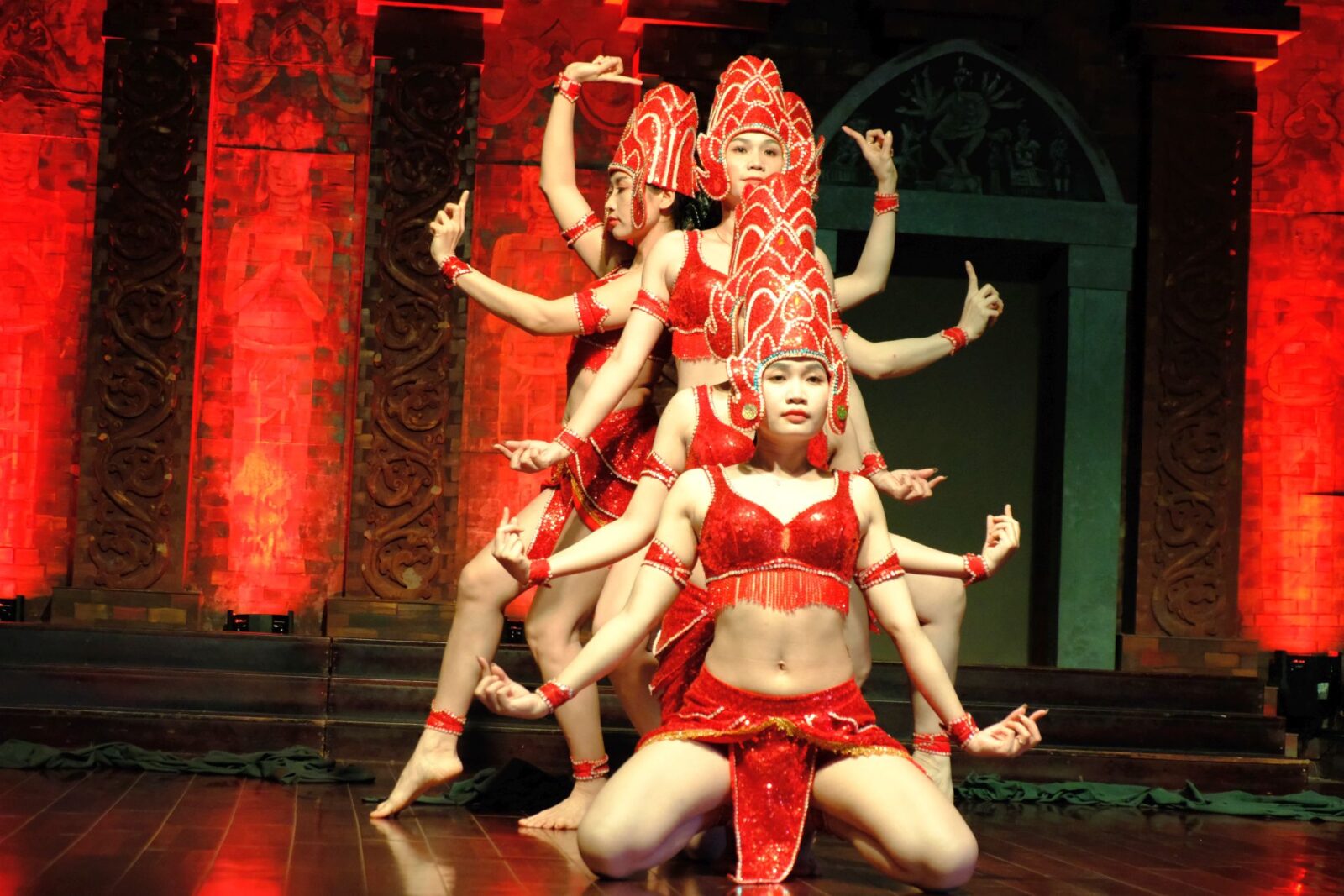
Before entering the ruins, we watched a traditional Apsara dance. Graceful, restrained, reverent—it felt like a threshold ritual. The hand gestures, the posture, the storytelling through movement echoed classical forms we’d grown up seeing, yet carried a distinctly Cham rhythm.
It was the perfect prelude. You don’t walk into My Son casually; you’re eased into it.
Brick, Belief, and Mystery
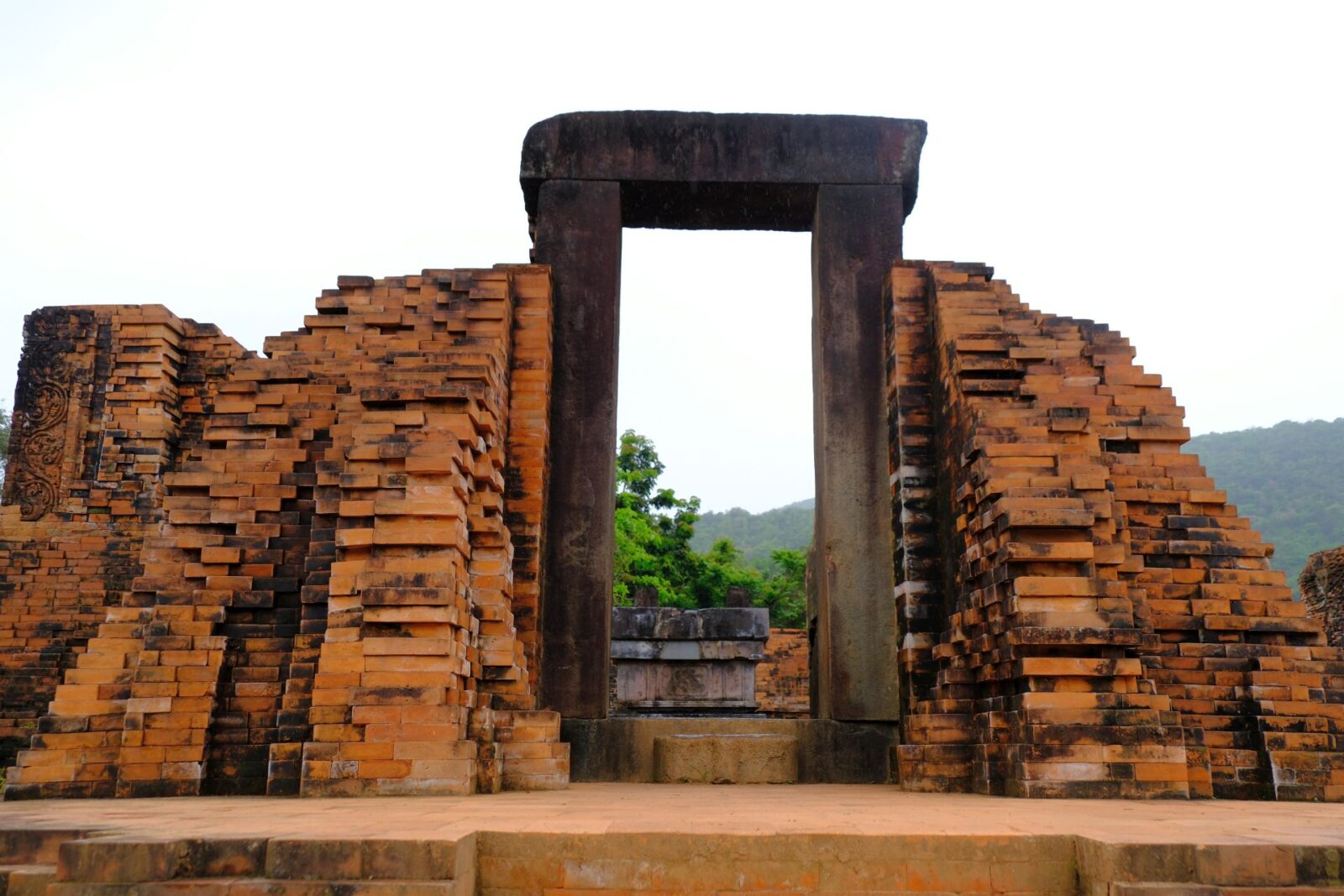
The temples themselves are astonishing for what we still don’t know. Built without mortar, the bricks fit so precisely that even today scholars debate how they were bonded. Time, moss, and war have taken their toll, but what remains still speaks.
Carvings of gods, guardians, dancers, warriors, and sacred animals line the walls. Stories of protection, devotion, and cosmic order unfold in stone—familiar themes, rendered through a Southeast Asian lens. Indian, Khmer, and indigenous styles merge seamlessly, creating something that feels both recognisable and new.
At its peak, the sanctuary housed over seventy temples and towers. Many were damaged during the Vietnam War—bomb craters still scar the earth nearby, silent reminders that sacred spaces are never truly insulated from history.
Today, My Son is recognised as a UNESCO World Heritage Site (inscribed in 1999). Yet standing here, that designation feels secondary. What lingers more strongly is the quiet sanctity of the valley, and the sense that worship once shaped the rhythm of life here.
It was crowded when we visited. Hot, humid, noisy at times. And yet, beneath all of that, the place held a strange stillness. Not quiet—still.
Walking between the B, C, D, and E–F temple groups, you begin to sense that this wasn’t built to impress, but to endure. Even in ruin, My Son doesn’t perform. It simply exists.
Carrying It With Us
Visiting My Son wasn’t about ticking off an ancient site. It was about standing inside a chapter of Hindu history that unfolded far beyond the Indian subcontinent—one that we rarely talk about, yet instinctively recognise.
Long after we left the valley and returned to modern roads, that feeling stayed. Of continuity. Of how ideas travel, take root, and become sacred in places you never expected.
Some places you photograph.
Some places you remember.
My Son is a place you carry.
Practical note: Go early if you can—the air is cooler, the light softer, and the valley feels closer to itself before the crowds arrive.
Leave a Reply