The moment we set foot on firm ground, our driver was ready to take us onwards. There was no lingering—just the quiet sense of being carried forward into the next chapter of the journey. A brief stop at a pearl farming centre broke the drive, offering a glimpse into the careful, almost meditative process of oyster cultivation and pearl harvesting. Lustre, colour, shape, and surface perfection—small details deciding quiet value.
From there, we drove south, covering nearly 180 kilometres towards Ninh Bình. By the time we arrived, it was mid-afternoon. Before checking in, we stopped for a late lunch at a small Indian restaurant—a simple, grounding pause after hours on the road. Ninh Bình revealed itself gently. Rivers, rice fields, limestone hills, and an unmistakable rural calm. Despite its natural beauty and historical importance, it remains relatively understated, often overshadowed by better-known destinations. For us, though, it had been a must-visit from the moment we began planning.
A Stay Surrounded by Green
We stayed at An’s Eco Garden Resort, set away from the town centre and wrapped in greenery. The moment we arrived, it felt right. Quiet ponds, flowering plants, distant hills, and the kind of stillness that invites you to slow down without being asked.
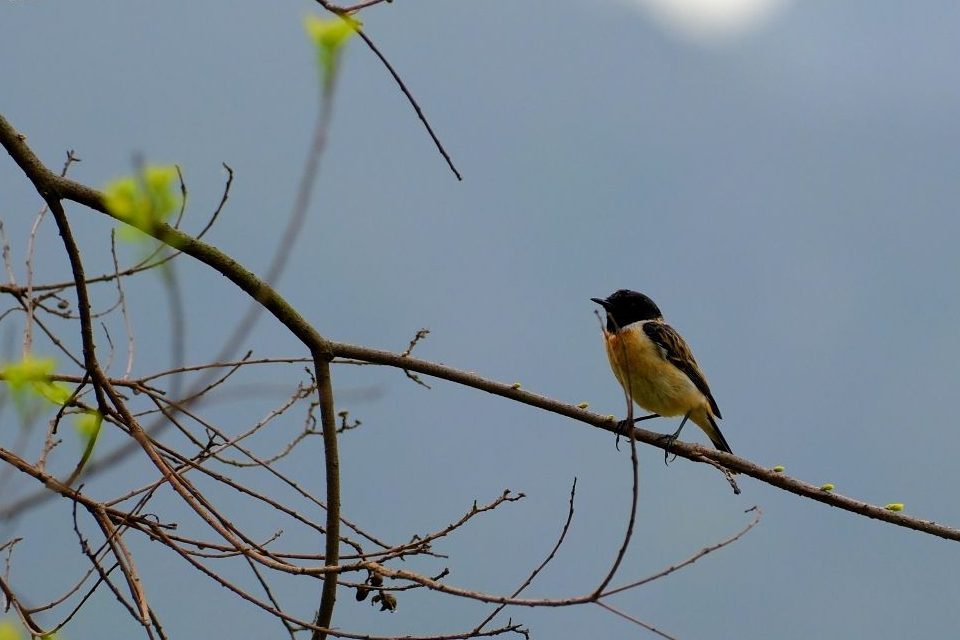
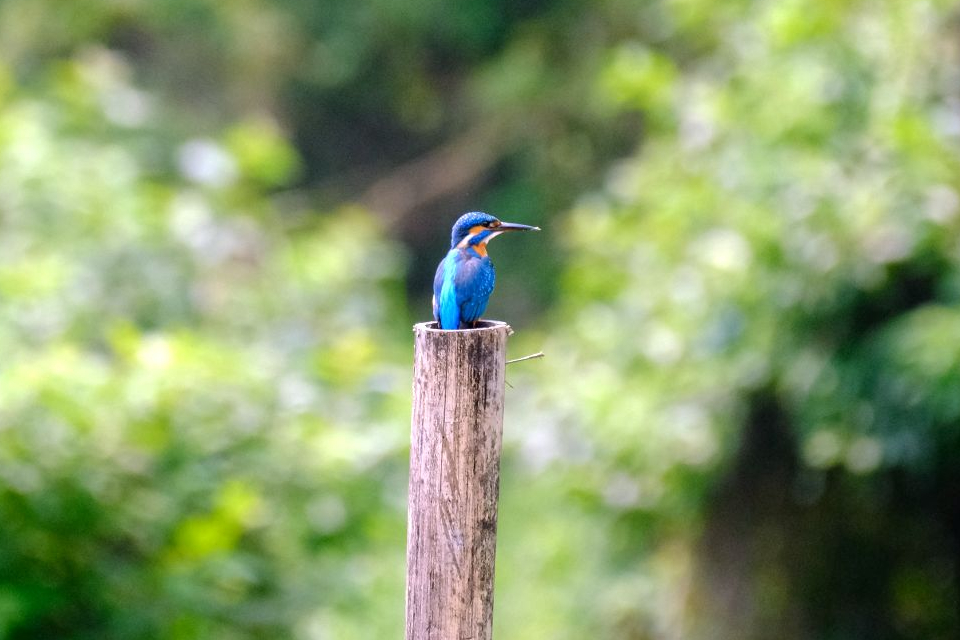
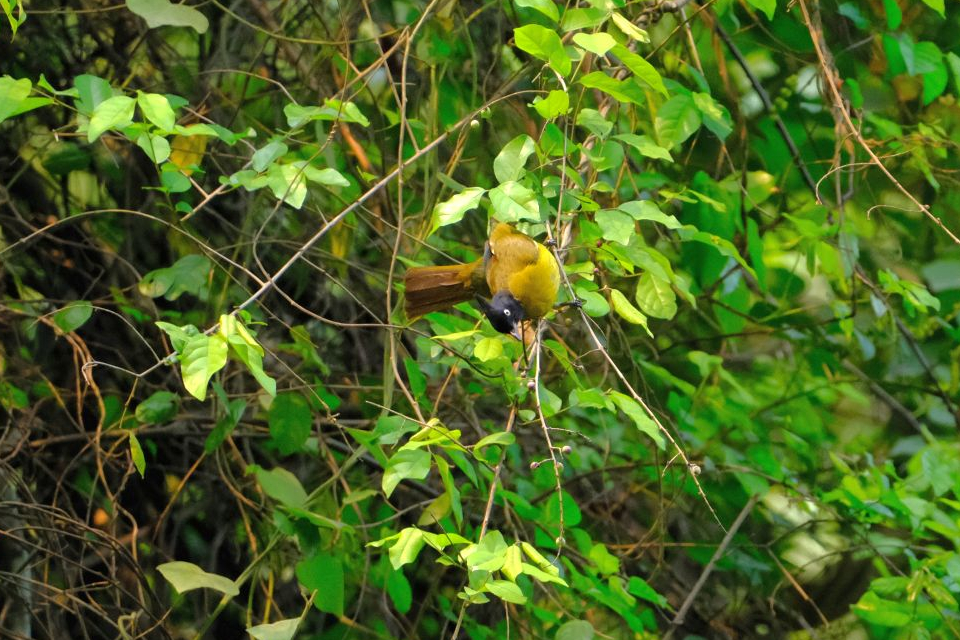
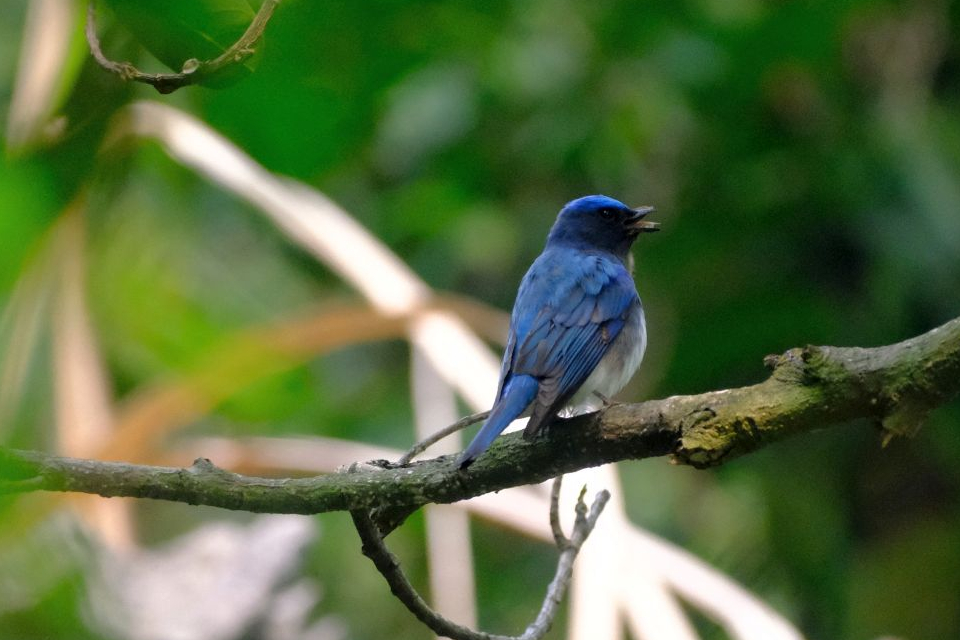
The amateur birder in me surfaced almost immediately. Trees, water, open spaces—it was impossible not to start scanning. A short walk around the property turned into our first birding session, unplanned and deeply satisfying. Egrets, calls from hidden perches, movement in the foliage. We felt immersed, not accommodated.
As evening settled in, a quiet joy followed. Nothing dramatic, nothing scheduled—just the comfort of being in a place that felt in rhythm with itself.
Bích Động and a Landscape in Bloom
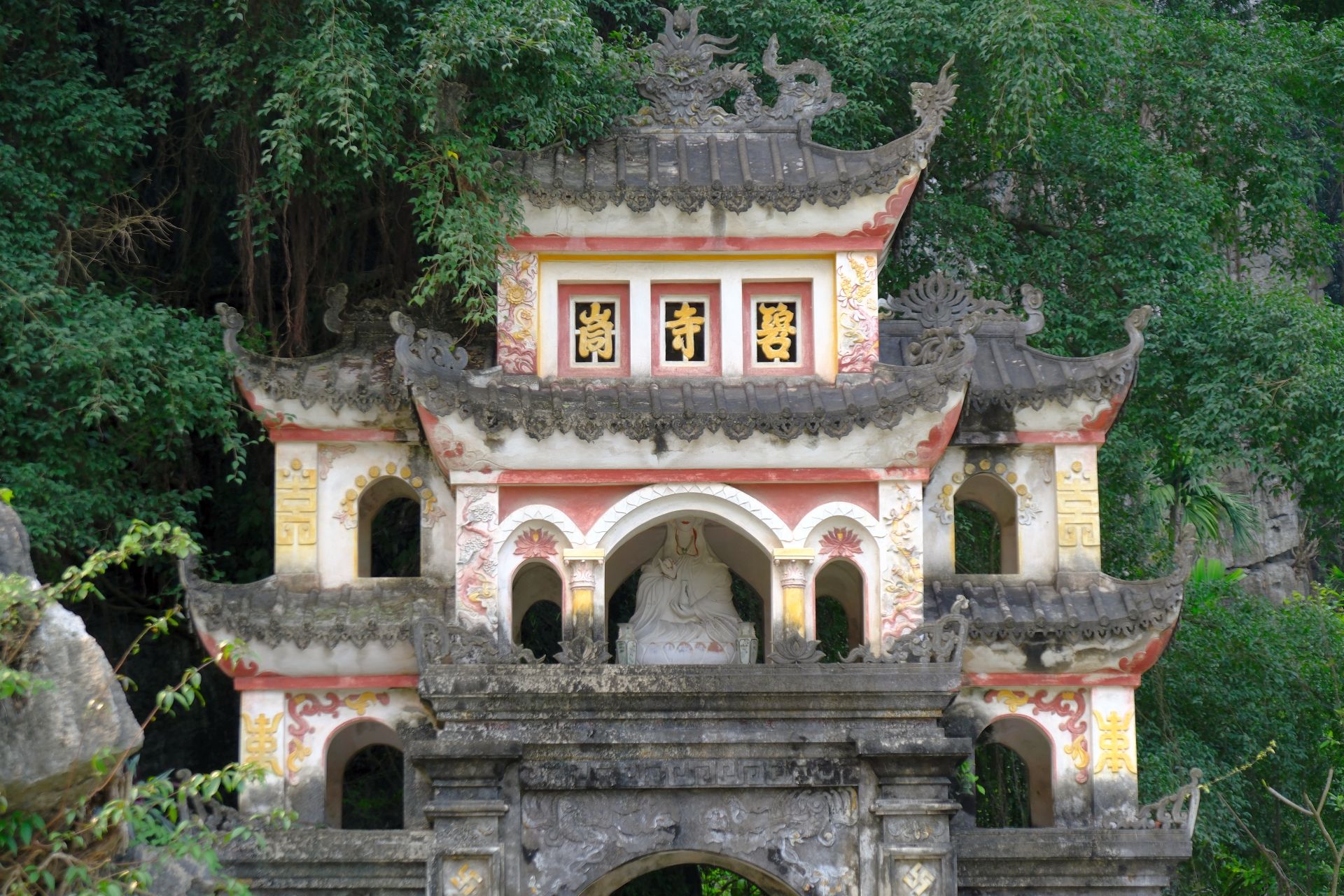
The next morning, after a relaxed breakfast, we set out to explore Ninh Bình’s landmarks. Our first stop was Bích Động Pagoda, one of the region’s most picturesque and serene sites.
We were fortunate to be there in early April, when red silk cotton trees were in full bloom. Their vivid flowers punctuated the landscape, adding bursts of colour to the greens and greys around us. The entrance gate—with its traditional architecture—was instantly recognisable, a visual symbol of Ninh Bình.
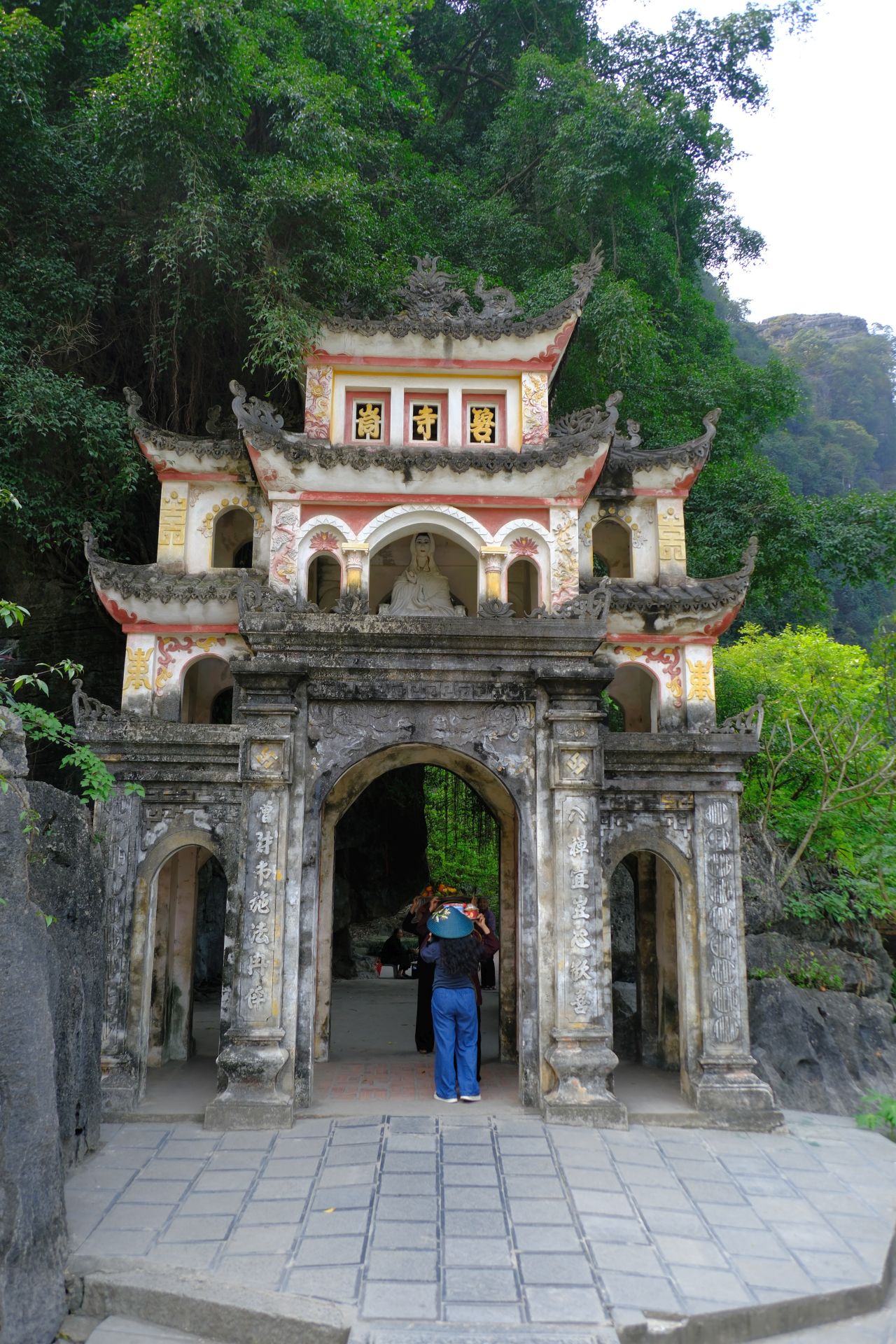
Bích Động, meaning “Green Cave”, dates back to 1428, during the early Lê Dynasty. Later expanded in the early 18th century by two Buddhist monks, the pagoda complex unfolds across three levels—lower, middle, and upper—set against the limestone slope of the mountain. We chose not to climb all the way to the top, content to absorb the atmosphere without effort.
Tam Cốc: Quiet Water, Moving Slowly
From there, we made our way to Tam Cốc, part of the Tràng An Landscape Complex, recognised as a UNESCO World Heritage Site.
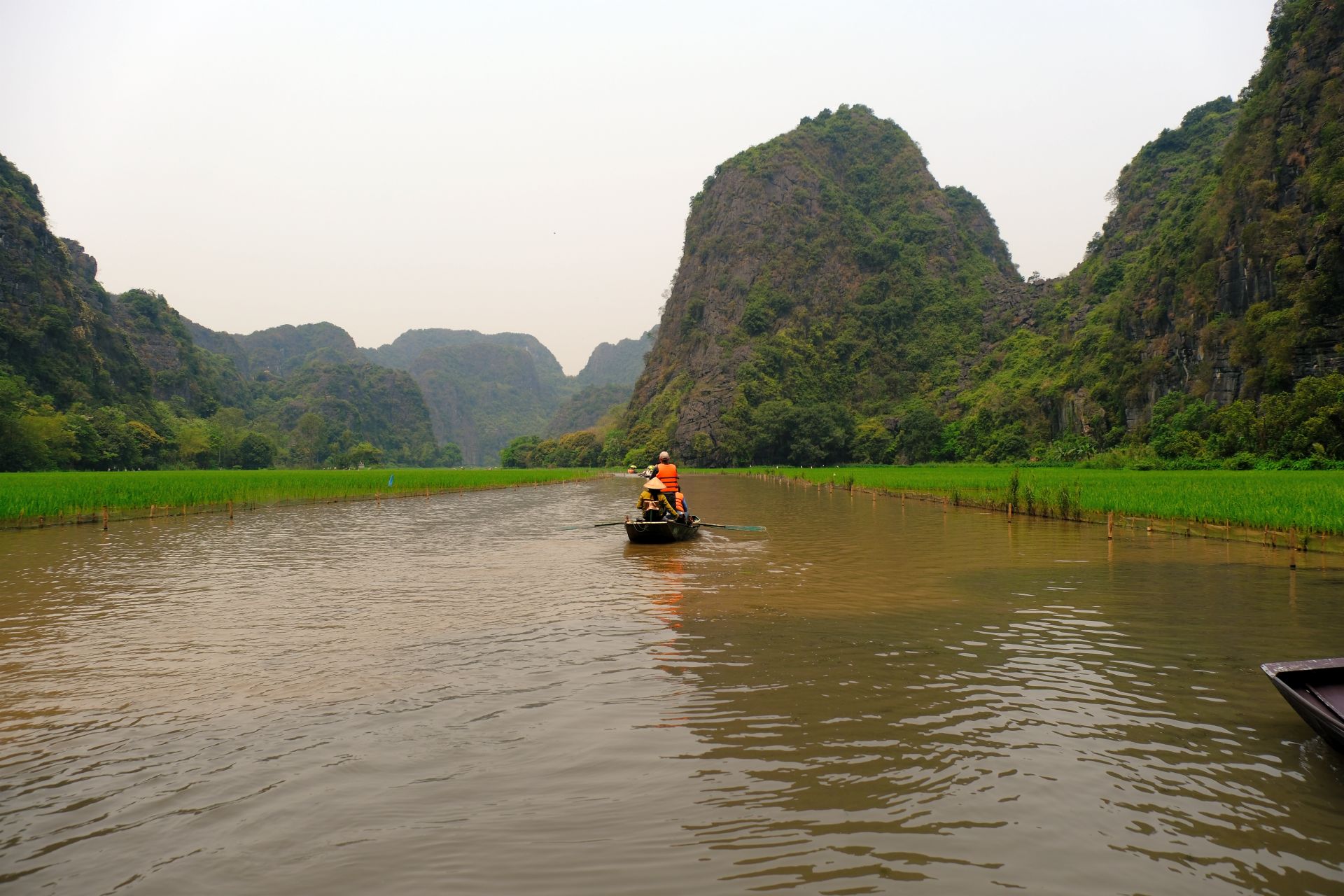
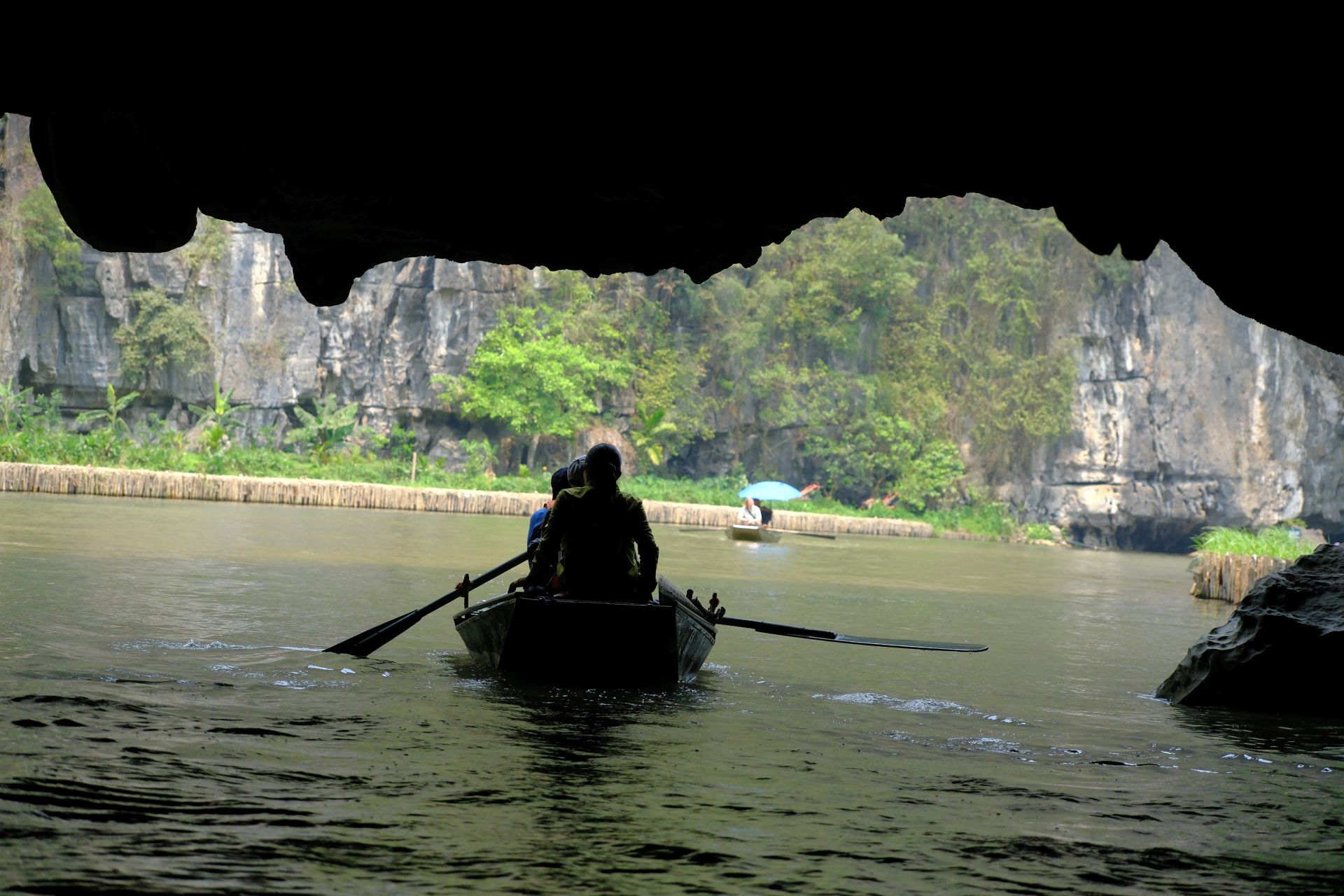
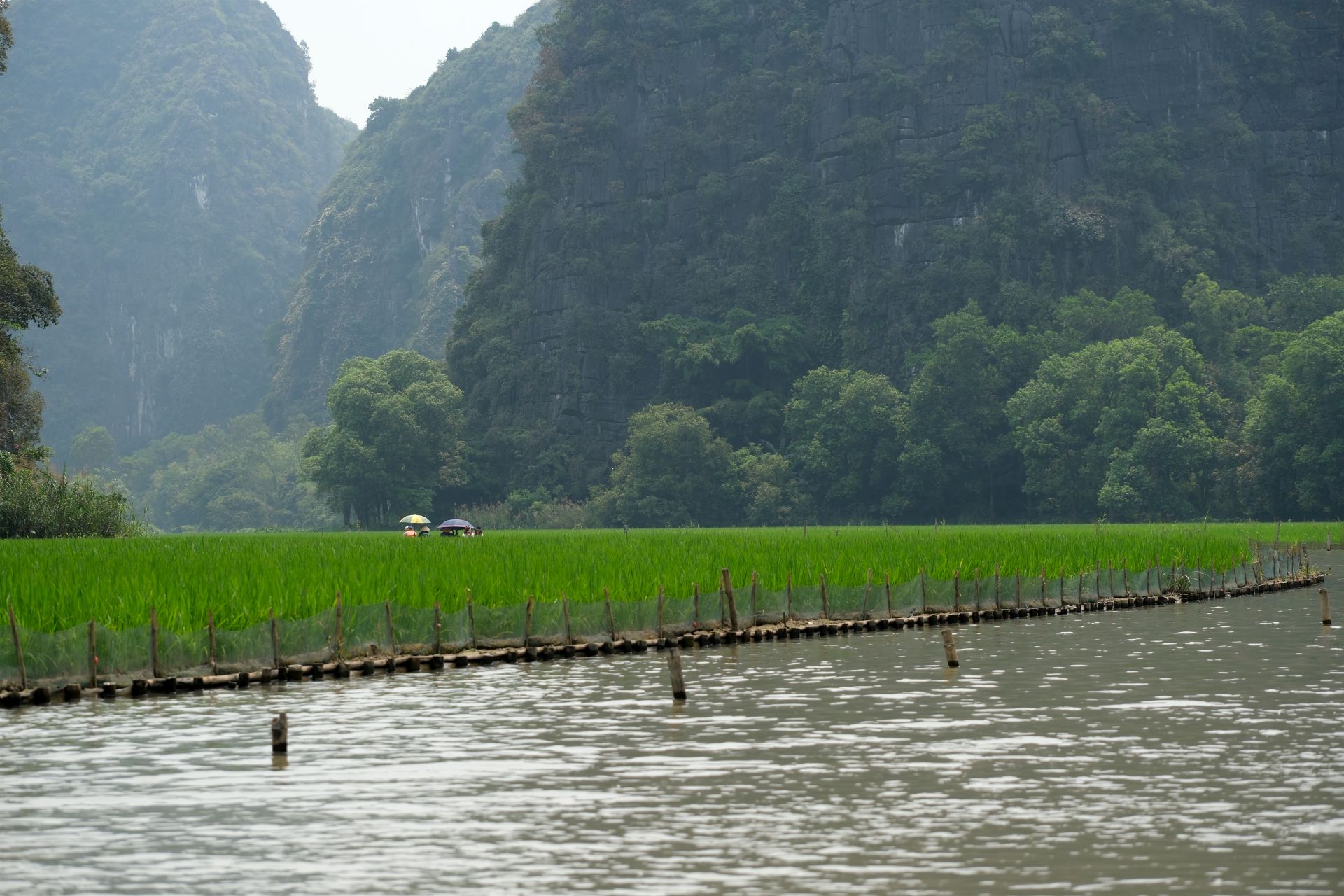
With a local rower—often paddling deftly with her feet—we glided into the calm waters. Limestone karsts rose on either side, dramatic yet gentle in their scale. The boat slipped into low-hanging caves, darkness briefly enclosing us before opening out again into wide stretches of green rice fields.
In certain seasons, locals plant lilies here, transforming the fields into floating gardens. Even without them, the landscape felt generous. The ride lasted about ninety minutes—long enough to lose ourselves, short enough to remain unhurried.
While nearby Trang An is grander and more structured, Tam Cốc felt more personal, more human. A quieter encounter with the land.
Hoa Lư and the Weight of Early History
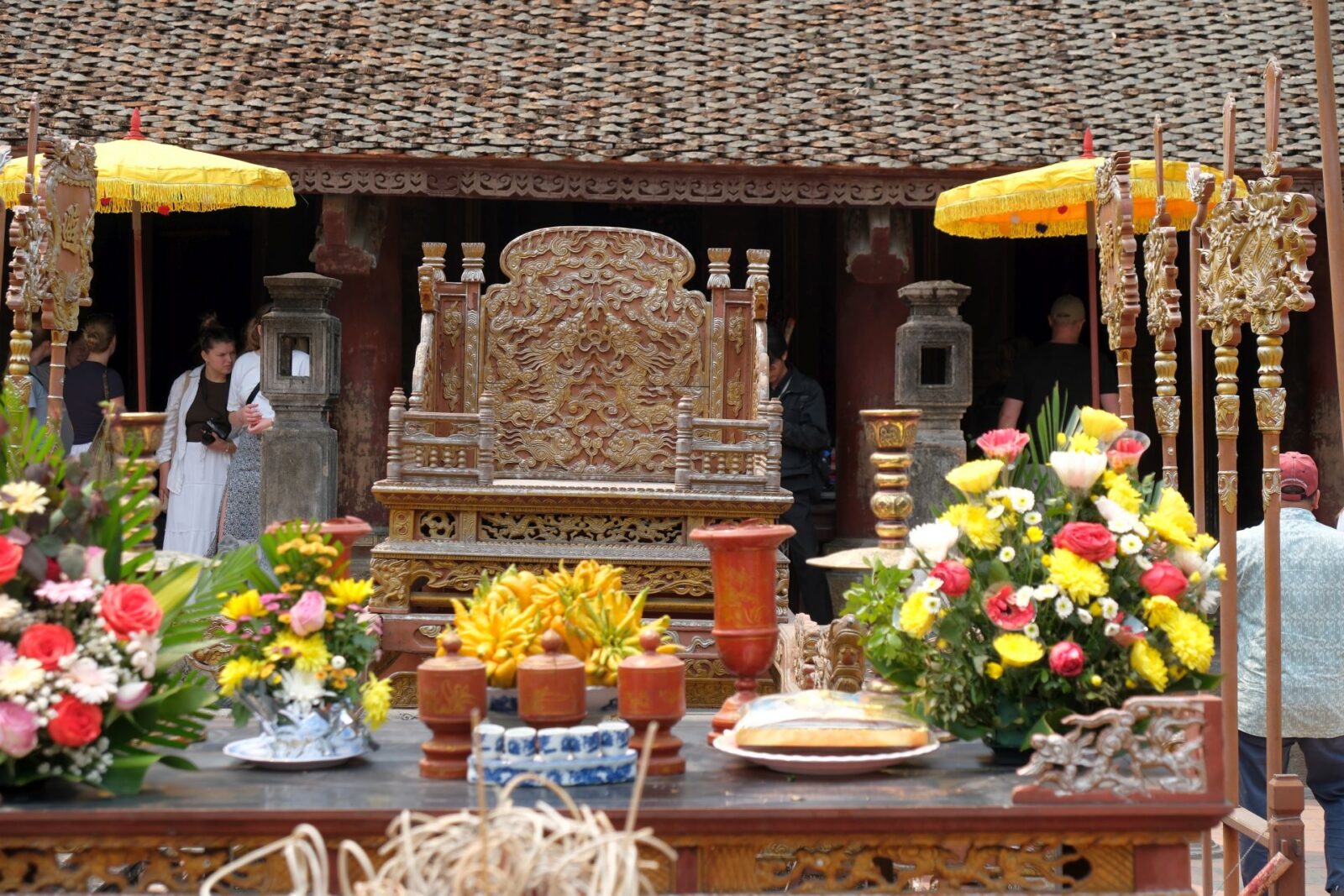
Later in the day, we visited Hoa Lư, Vietnam’s ancient capital during the 10th century. Under the Đinh and early Lê dynasties, this was the political heart of the country, before the capital moved north to Thăng Long—modern-day Hanoi.
Stone courtyards, temple remnants, and surrounding hills spoke of an earlier chapter of Vietnamese history. Less imposing than later imperial centres, Hoa Lư felt rooted, defensive, and purposeful—shaped by geography as much as ambition.
Ending the Day with Birds
Though we had technically completed everything on our itinerary, daylight remained—and with it, curiosity. We decided to visit Thung Nham Bird Park, located about 15 kilometres from Hoa Lư.
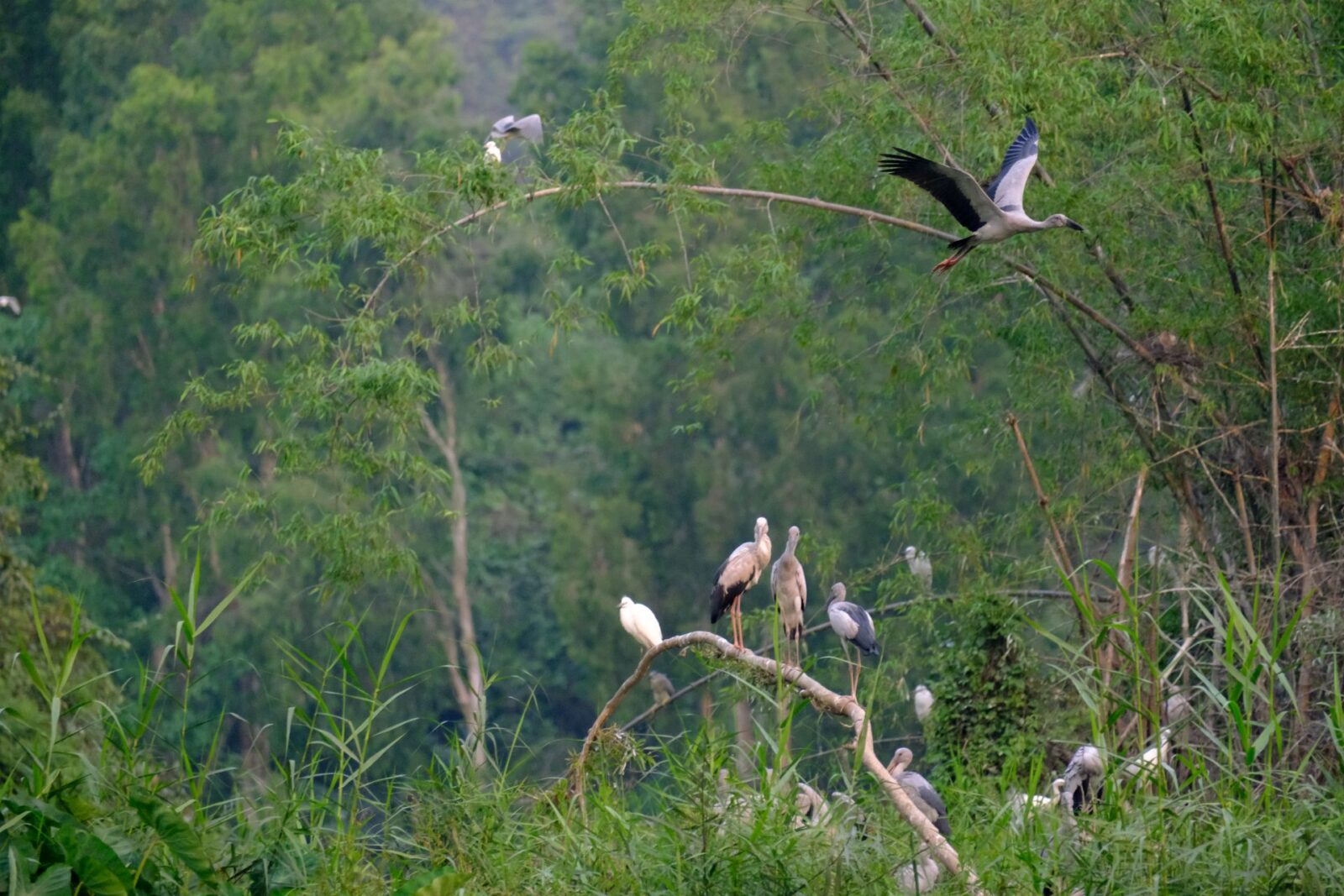
A forty-five-minute boat ride through wetlands brought us close to openbills, herons, and egrets in their natural habitat. Quiet observation replaced movement. As the sun began its slow descent, the light softened, reflections lengthened, and the sounds of the day faded into something gentler.
It felt like a gift—an unplanned ending to a day already rich with meaning.
Ninh Bình met us with generosity. Nature, history, birds, and stillness came together without effort or insistence. It didn’t overwhelm; it welcomed.
Some places impress you. Some places comfort you.
Ninh Bình did something rarer—it felt like it met us halfway.
Leave a Reply