If Samarkand feels like stepping into the grandeur of the Silk Road, Tashkent introduces itself differently. The shift is immediate and unmistakable. The narrow historical intimacy of Samarkand gives way to wider boulevards, planned neighbourhoods, and a pace that feels distinctly metropolitan. Tashkent carries its history in layers — medieval, Soviet, and contemporary — each shaping the city’s character without overwhelming the others.
Our exploration of Uzbekistan’s capital began at the Hazrati Imam Complex, widely regarded as one of the most important religious and spiritual centres in the country.
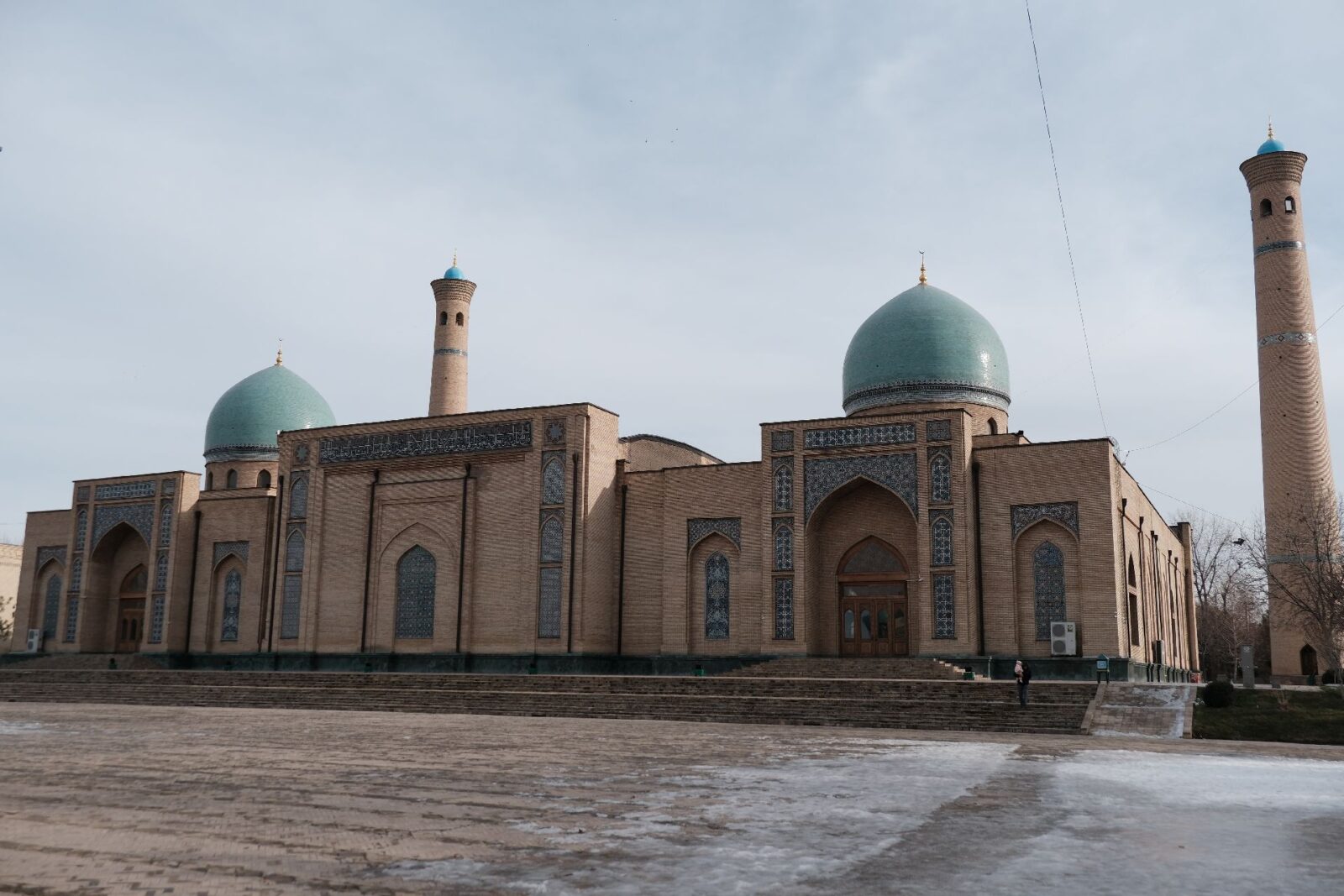
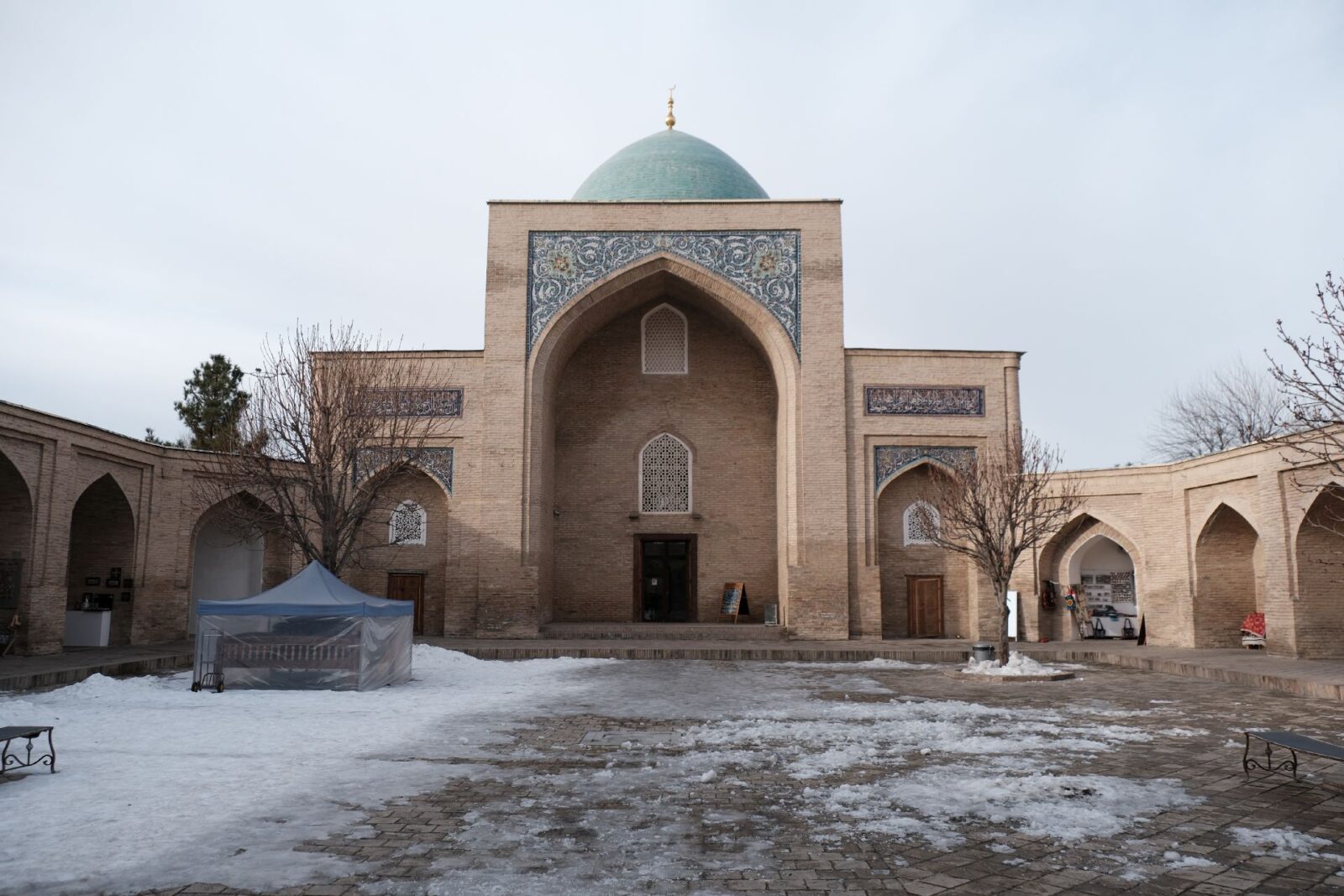
The complex sits with a quiet authority, its buildings arranged around open courtyards that encourage slow movement rather than hurried sightseeing. The Barak Khan Madrasa, built during the sixteenth century, stands as one of the principal structures here. Unlike many preserved monuments, it continues to function as an educational institution, reinforcing the idea that scholarship and faith remain intertwined traditions rather than relics of the past.
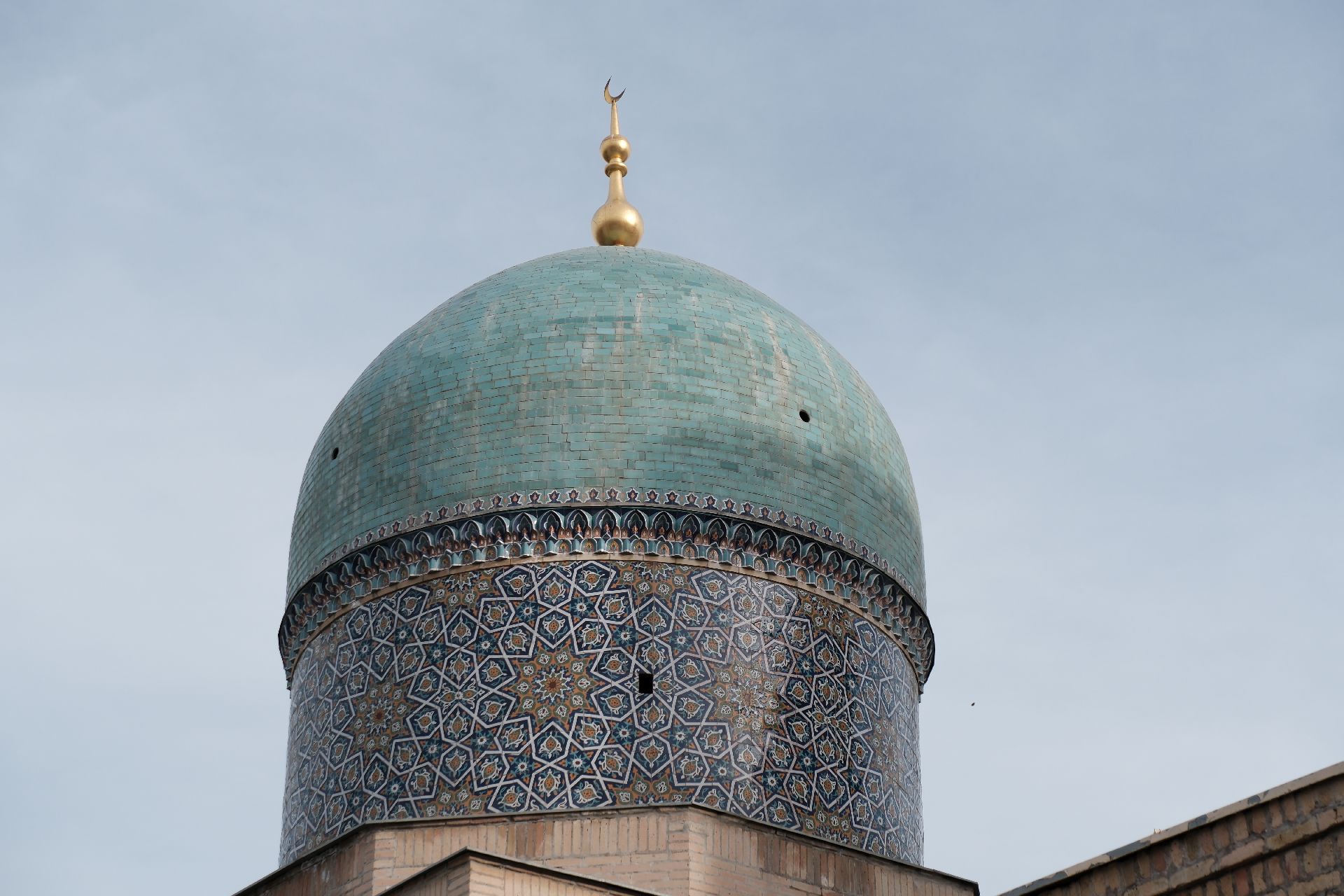
Nearby stands the Tillya Sheikh Mosque, its elegant dome and minarets framed by intricate blue tile work that reflects light softly across the courtyard. The architecture feels familiar after Samarkand, yet the atmosphere is distinctly different. The space feels less monumental and more lived, with pilgrims, visitors, and vendors sharing the complex with an ease that suggests routine rather than ceremony.
The complex is also home to one of its most treasured artefacts — a manuscript believed to be one of the oldest surviving copies of the Quran, associated with Caliph Uthman. Visitors moved through the chamber with visible reverence, often pausing in silence before moving on.
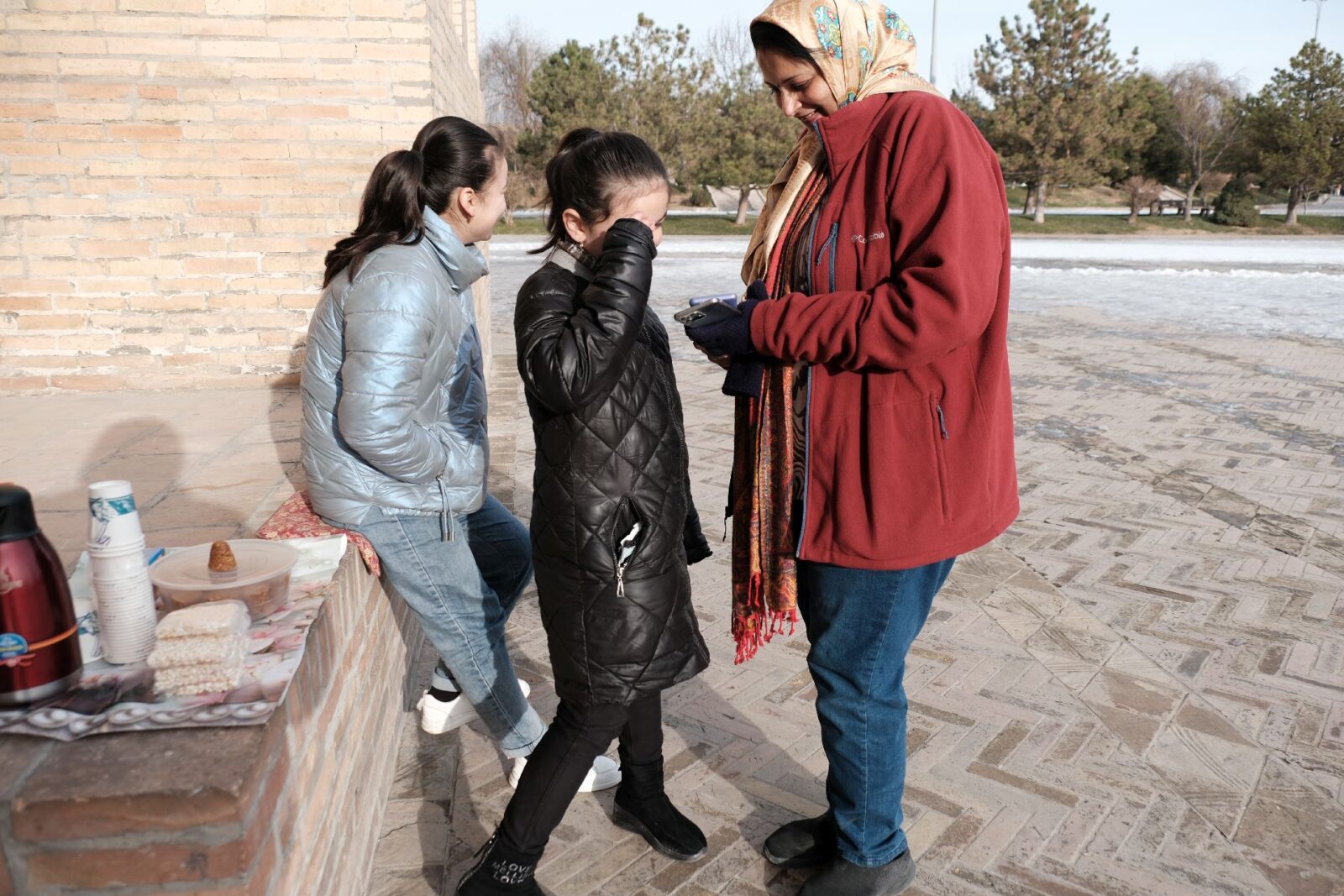
The courtyards, however, held their own quiet narratives. Near one of the walkways, we noticed a couple of young girls selling tea. What began as a simple exchange quickly turned into a conversation when P instinctively slipped into her teacher role, asking them about school and studies. The girls told us they studied at School No. 24, named after Lal Bahadur Shastri, the former Indian Prime Minister, where Hindi is part of the curriculum. Their excitement at speaking a few words in Hindi was immediate and infectious. For a few minutes, the historic complex transformed into something deeply personal — a reminder that cultural connections often travel quietly across generations and borders.
From the calm courtyards of Hazrati Imam, we moved towards Chorsu Bazaar, where Tashkent revealed its everyday pulse.
The marketplace sits beneath a striking blue-domed structure that dominates the skyline of the old city district. Inside, the atmosphere shifts completely. The air is filled with the scent of spices, dried fruits, freshly baked bread, and the hum of bargaining voices. Vendors arrange colourful displays of produce with remarkable precision, while customers move between stalls with the ease of long familiarity.
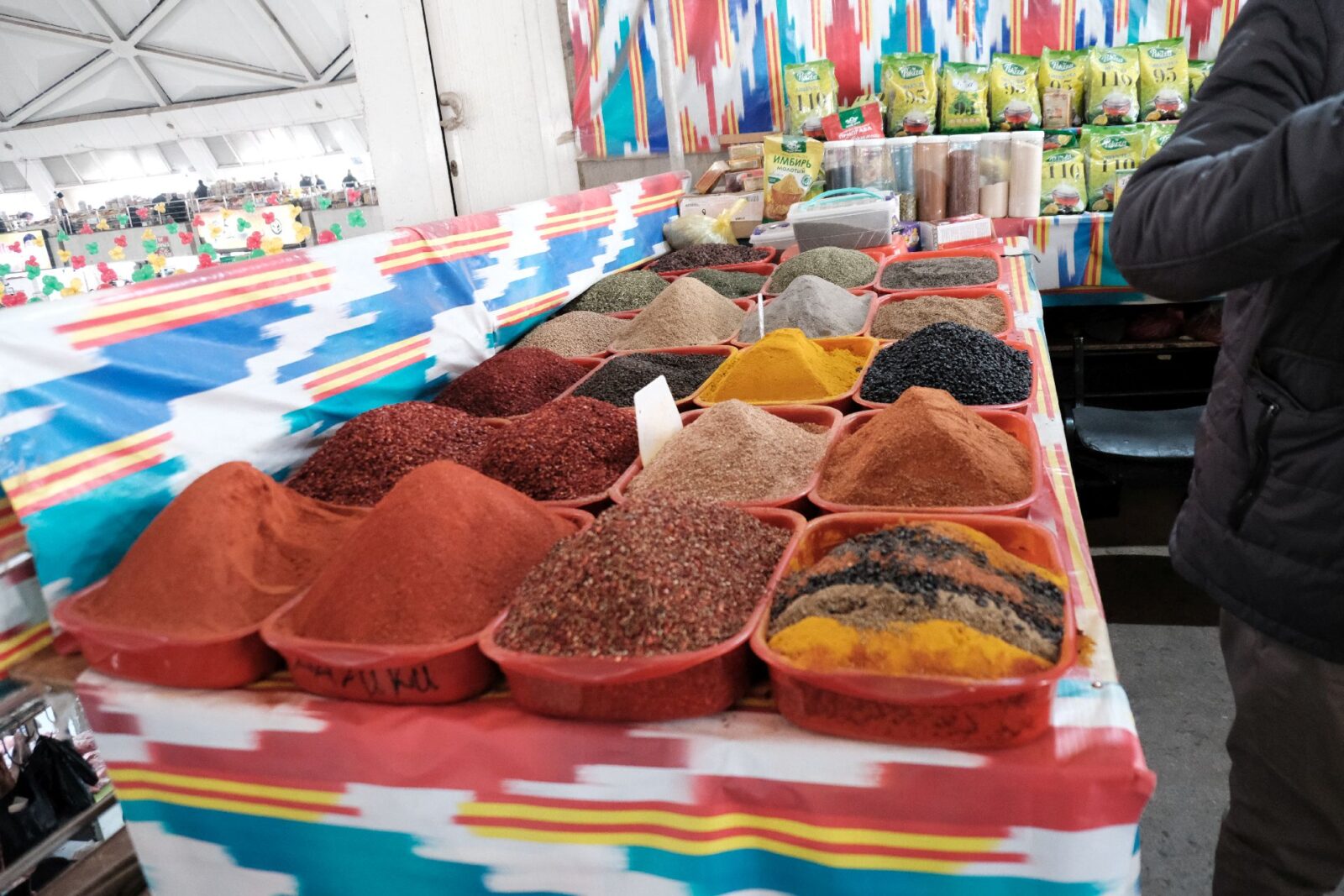
Unlike the carefully preserved monuments, Chorsu feels dynamic and immediate. It is where Tashkent feels most alive, where conversations overlap, and where the city’s traditions continue to evolve alongside modern life. Markets like these offer glimpses into rhythms that remain largely unchanged despite rapid urban transformation.
If Chorsu revealed Tashkent’s everyday life above ground, the city’s Metro system offered an entirely different narrative beneath it.
The Tashkent Metro is widely regarded as one of the most visually distinctive subway systems in the former Soviet Union. Each station feels less like a transit point and more like an architectural statement, reflecting themes ranging from scientific ambition to literary heritage.
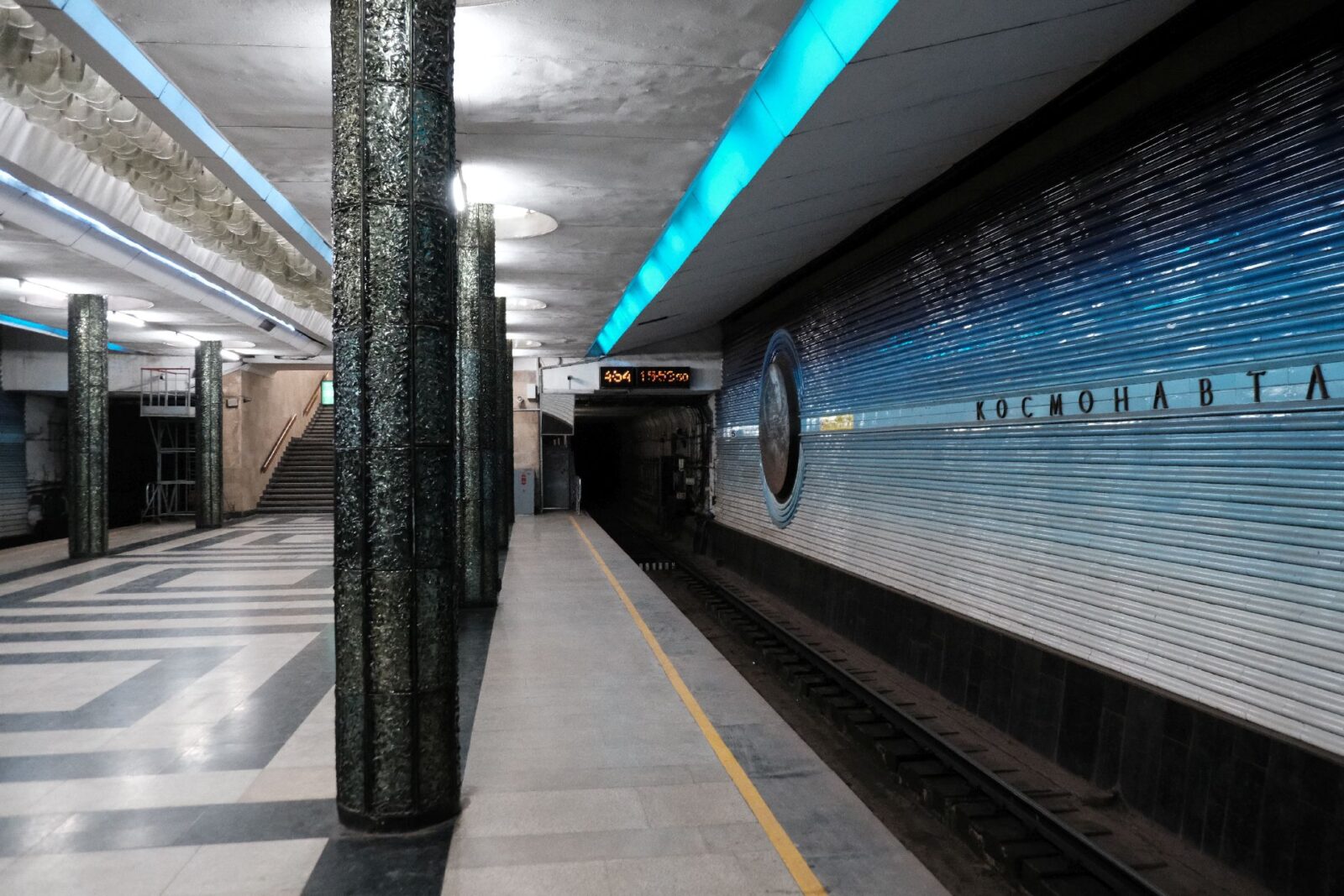
Kosmonavtlar Station stood out immediately. Inspired by Soviet space exploration, the station is decorated with cosmic motifs, portraits of astronauts, and deep blue design elements that evoke the vastness of space. The station carries a quiet sense of wonder, capturing an era when scientific discovery was celebrated with artistic confidence.
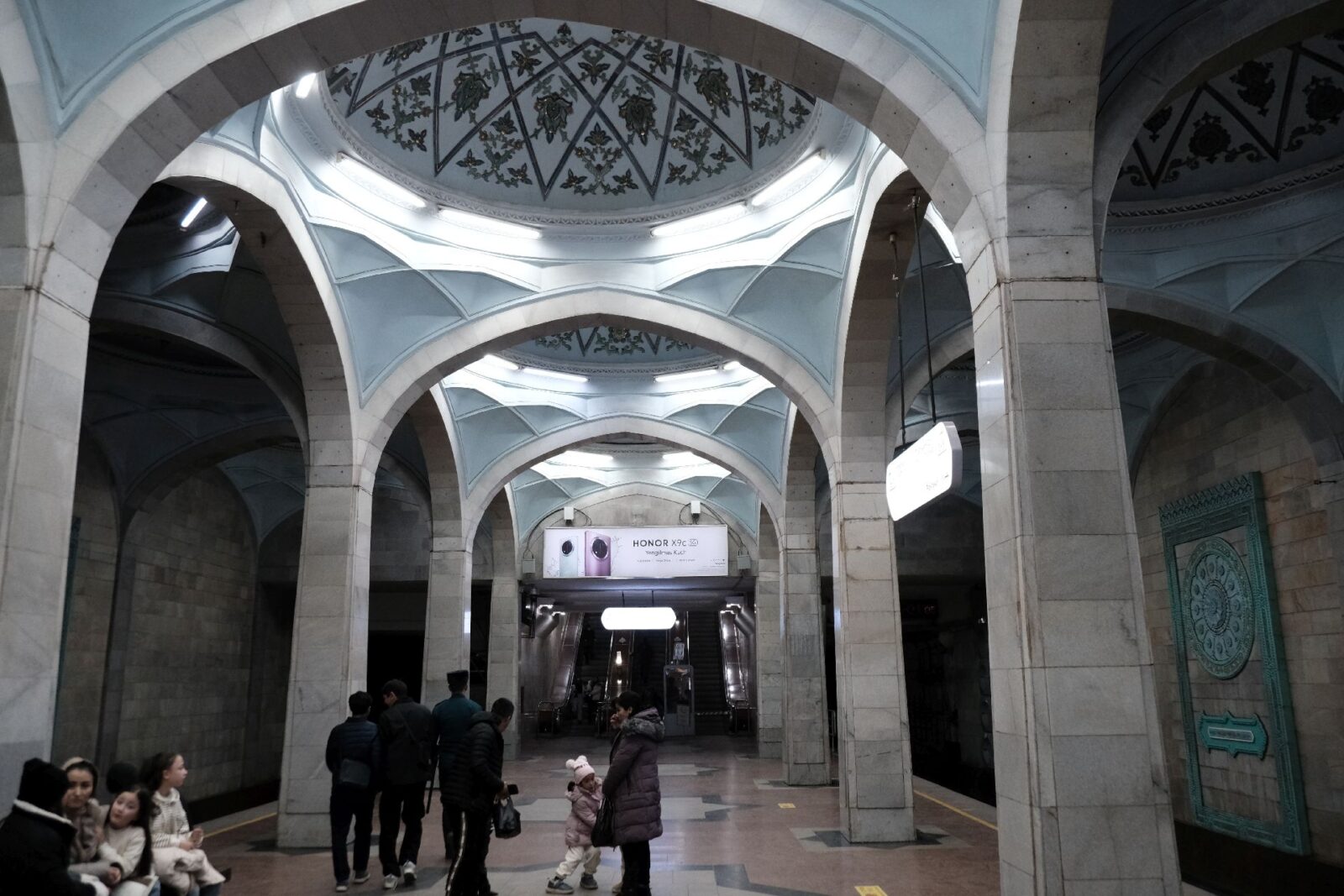
Equally striking was the Alisher Navoiy Station on the Oʻzbekiston Line, dedicated to the celebrated poet and scholar Alisher Navoiy. The station’s interior blends intricate patterns and literary symbolism, paying tribute to Uzbekistan’s intellectual and cultural legacy. Travelling through the Metro felt like moving through a gallery of public art, where infrastructure and identity merge seamlessly.
Our exploration of Tashkent also took us to places that speak of collective memory and resilience.
At the World War Memorial, the city remembers the immense sacrifices made during the Second World War. The memorial grounds carry a contemplative atmosphere, where remembrance feels deeply personal rather than ceremonial. Visitors moved through quietly, pausing near inscriptions and sculptures that honour those who never returned home.
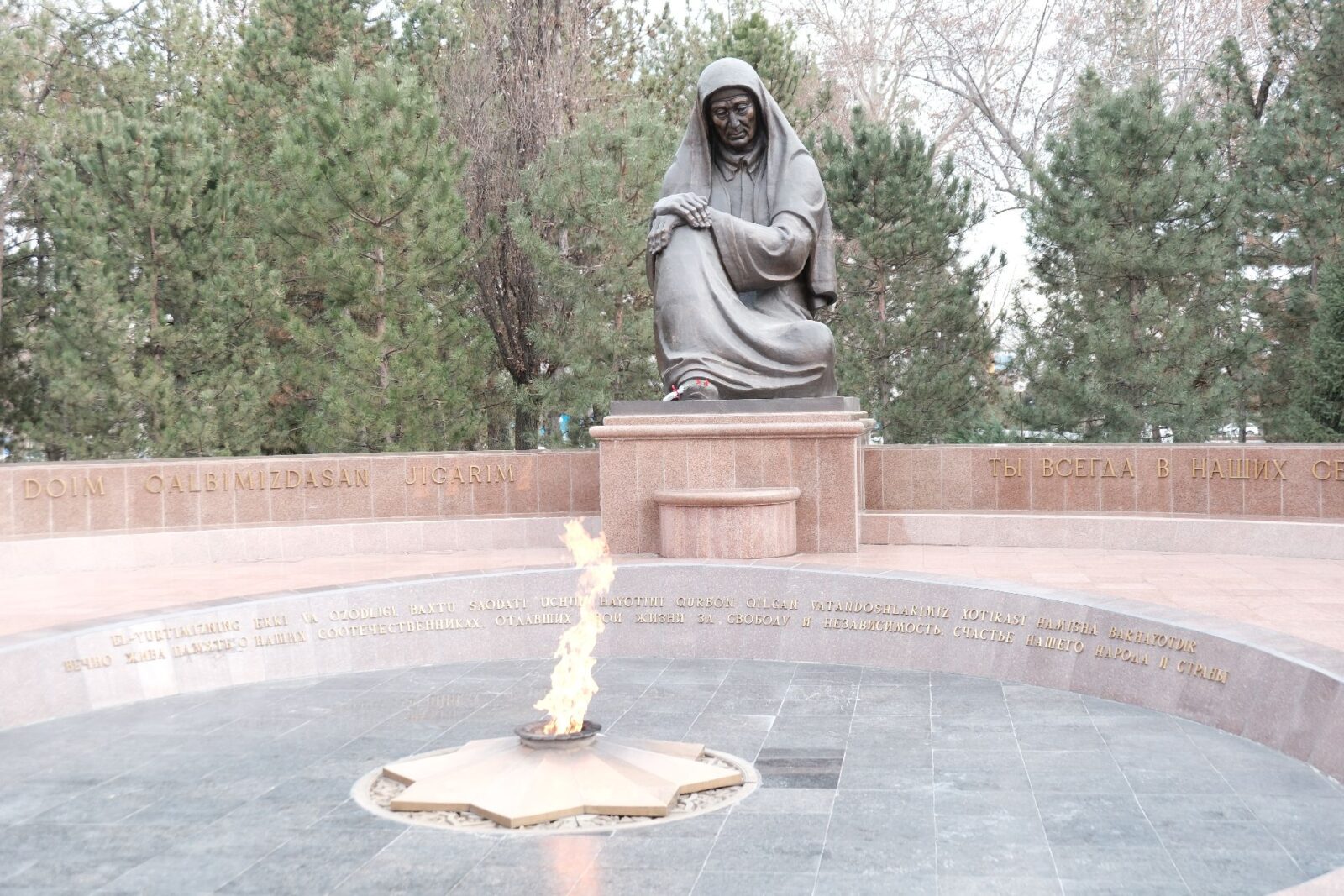
Not far from there stands the Earthquake Monument, commemorating the devastating earthquake that struck Tashkent in 1966. The disaster reshaped the city both physically and emotionally. Much of modern Tashkent owes its planned urban structure to the rebuilding efforts that followed. The monument symbolises not only loss but also resilience — the ability of the city to rebuild and redefine itself after destruction.
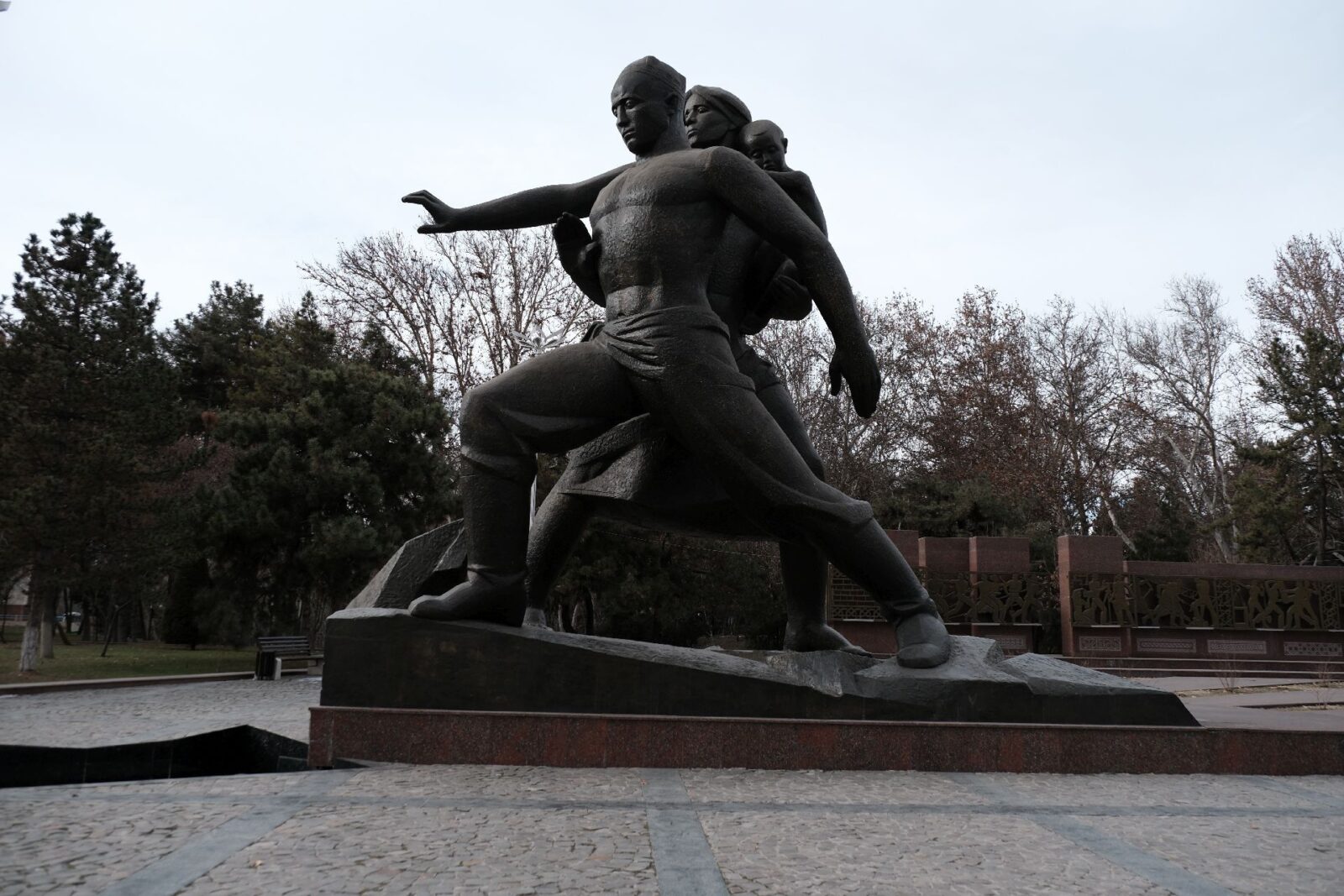
Walking through Tashkent, it becomes increasingly clear that the city’s identity rests on adaptation. Unlike Samarkand, which preserves its past through monumental continuity, Tashkent carries its history through reconstruction and reinvention.
The city feels like a meeting point between eras. Islamic scholarship, Soviet ambition, and modern Uzbek identity coexist here, often within the same neighbourhood. Wide avenues, government buildings, and public spaces reflect the Soviet vision of urban planning, while markets, mosques, and everyday interactions continue to anchor the city in older traditions.
As the day drew to a close, Tashkent felt less like a contrast to Samarkand and more like a continuation of Uzbekistan’s broader story. If Samarkand represents the brilliance of the Silk Road’s historic crossroads, Tashkent represents the endurance of a city that has repeatedly rebuilt itself while preserving its cultural memory.
Leave a Reply